No Kid Hungry Alabama’s Grant Impact Map:
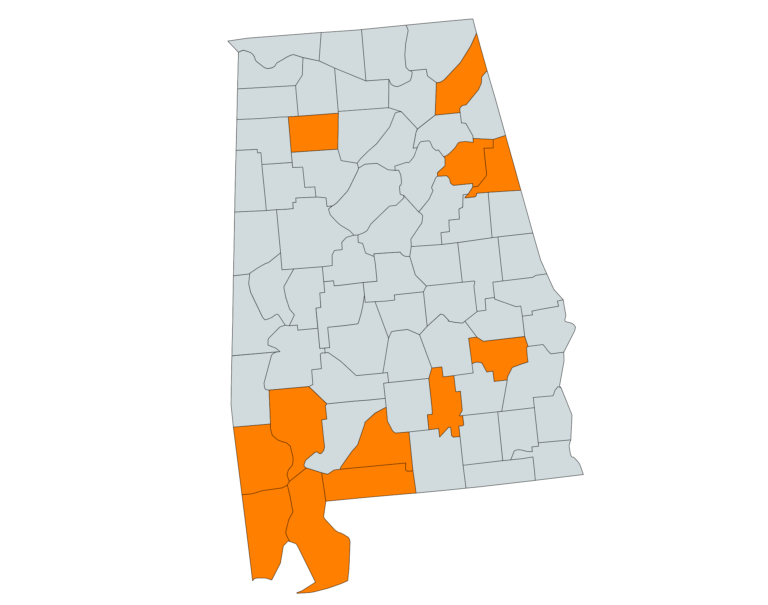
Bullock County Schools
Cleburne County Schools
Community Caring Hands Foundation Inc.
Crenshaw County
DeKalb County Schools
Feeding the Gulf Coast – Alabama
Haleyville City Schools
Oxford City Schools
Piedmont City Schools
Winston County Schools
Thank you to our 2026 Summer Grantees! No Kid Hungry Alabama is so excited to have supported schools and community based organizations all over Alabama! We are so thankful for all they did feed kids this summer, and so grateful for all the best practices and insights they shared. To read more about their summer programs and best practices, read more below.
Summer Growth by the Numbers
Meeting Families Where They Are: Flexible Meal Distribution Models
For many families in rural communities, accessing summer meals can be challenging due to transportation barriers, long travel distances, and competing schedules. This summer, grantees demonstrated the importance of meeting families where they are by adapting their meal distribution models to better serve their communities. From flexible bulk meal pickup options to strategically located distribution sites and daily meal service, these approaches highlight how understanding local needs and prioritizing accessibility can help more children receive nutritious meals throughout the summer.
Bullock County Profile
- 7 different distribution days throughout the summer of Walk-Up Curbside Meal Distribution, 10 days worth of breakfast and lunch provided each time
- Extended Service into August this summer
- Very successful – Bullock County believes the success of our program was largely due to the convenience of the bulk meal distribution model, strong communication with families, and a distribution process designed around the needs of our community.
- Providing multiple days of breakfast and lunch at one time reduced the number of trips families had to make to pick up meals and made participation more convenient for working parents and caregivers. The drive-in/drive-out distribution model at their site also allowed families to remain in their vehicles, making the pickup process easier and more efficient.
- Staffing – Staffing was a challenge. On one hand, doing bulk meals distribution alleviates the hours and staffing they needed, but on the other hand, The volume and logistics of bulk meal distribution required additional support for meal preparation, packaging, loading, traffic flow, registration verification, and distribution.
- To overcome this challenge, Bullock County reached out to community members, churches, and student organizations for volunteers. Community and student volunteers provided valuable support on distribution days and helped us successfully manage the workload. This experience also strengthened our connection with community partners and demonstrated the importance of volunteer support when operating a large-scale summer meal program!
Note: If you are thinking of starting bulk but doing it for the first time, you can first start 7 days bulk instead of 10!
Cleburne County Profile
- Hybrid Meal Model with congregate lunch meals on-site Monday – Friday and 2 days in bulk for weekend meals.
- Very successful – Kids were able to come on-site for a hot meal for lunch, and would take home breakfast to eat the following morning before coming on-site for lunch. Then, on Friday they would receive breakfast and lunch for the weekend.
- Ticket Harmony Ticketing System– Cleburne County was able to utilize organized, electronic ticket registration system to cross-check and ensure there is no duplication.
Crenshaw County
- 7 different distribution days of home delivery, 10 days worth of breakfast and lunch distributed each time
- This compliments a curbside distribution non-congregate meal site. The home delivery program reaches a specific aspect of the community that faces significant barriers such as transportation.
- May – July
- Very successful – Crenshaw County heard positive feedback from families and increase in participation when they transitioned from 7 to 10 days of bulk meals distributed at a time.
- Home Delivery was possible by receiving grant funding for a cargo van to transport food, and also choosing a centralized prep site to maximize how many homes the home delivery mobile route could reach each distribution day. The 10 days of bulk distributed each time also reduced costs/time on the home delivery model.
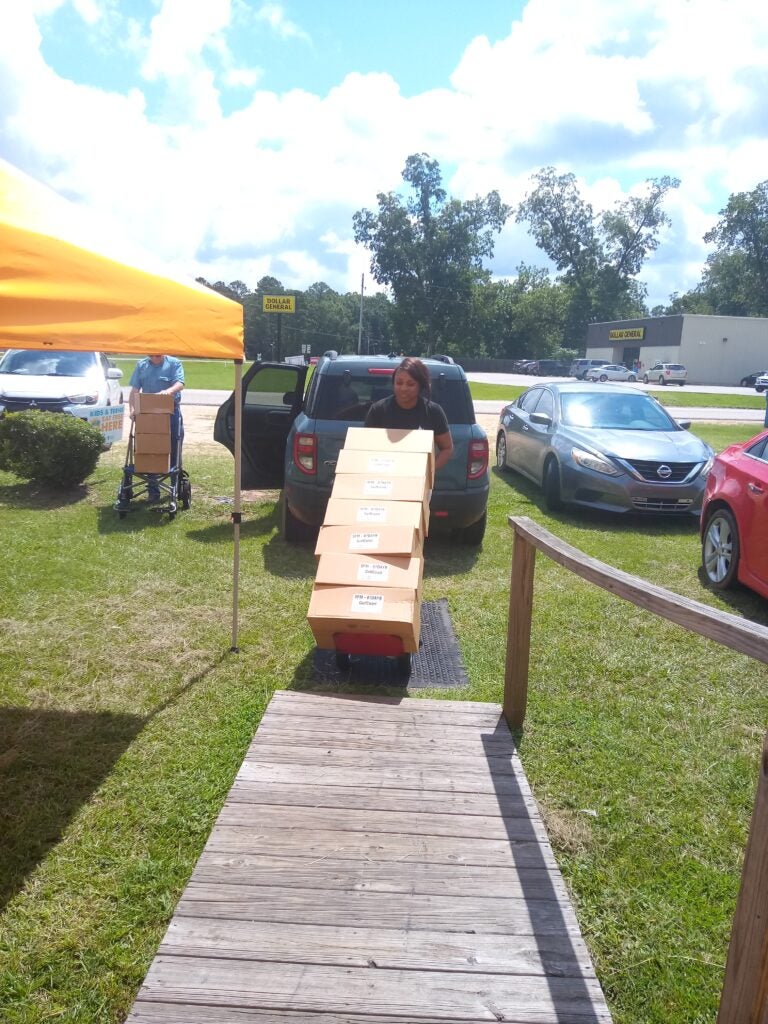
Feeding the Gulf Coast’s staff on site
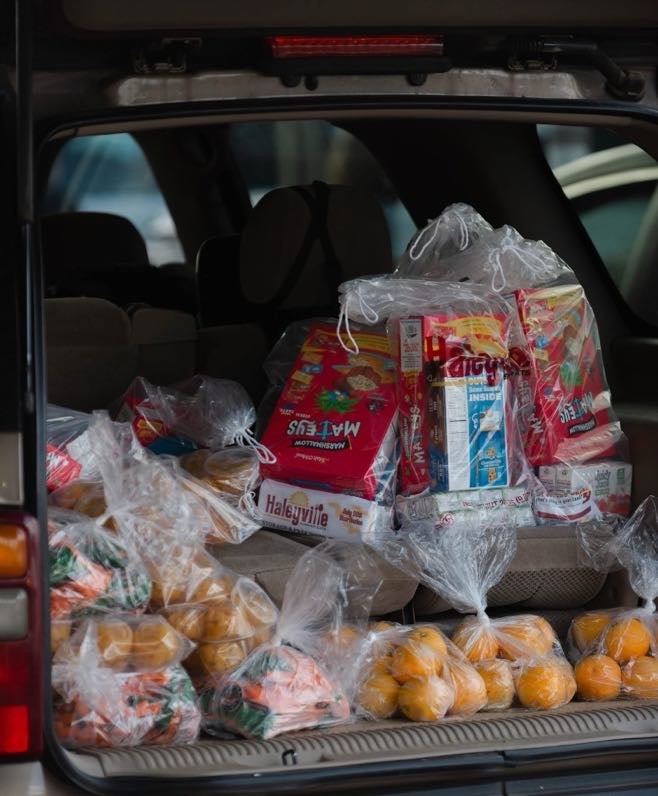
Haleyville City School’s Rural Non-Congregate Meals
Grants in Action: Examples of Funded Projects
No Kid Hungry grants help summer meal sponsors strengthen their programs, expand their reach, and address barriers to serving children and families in rural communities. From equipment and operational improvements to innovative distribution strategies, here are a few examples of how grantees have put funding into action to support their summer meal programs.
Crenshaw County
Crenshaw County applied for a cargo van so they could serve more meals at at time and deliver multi-day meals. This helped them meet the needs of their community, make their distributions more accessible, and they can now continue to use the van for future summers and as other school nutrition program needs arise.
Cleburne County
Cleburne County Schools rented a 12-16 foot refrigerated box truck to assist in safely transporting food to sites for distribution.
Oxford City Schools
Oxford City Schools applied for the following that helped them with their summer meal program, specifically the meal prep processes before distribution day:
- Poly Box Trucks – to store and transport packaged meals from the freezer to our serving area.
- Portable Freezer – Since Oxford City Schools are serving more students and hosting more serving days, they needed a portable freezer to hold pallets of frozen bulk food.
- Pallet Jack – This year, Oxford City Schools found it would be more cost-efficient to order food items direct to provide high quality meals at more sustainable costs. This created a need for a pallet jack to unload direct deliveries of food items and take them to their storage location.
These are all examples of sustainable, long-term impactful pieces of equipment for summer meal programs and beyond. Brantley County also received a utility trailer to assist in new mobile rural non-congregate routes to meet their community’s needs.
Piedmont City Schools
Piedmont City Schools operated a rural non-congregate program last year, so they were focused on expansion this year and received funding for 4 milk coolers to help safely store milk in bulk.
Winston County Schools
Winston County applied for semi-electric manual push/powered lifts. This equipment was integral to enabling them to unload palletized items that are delivered to the service sites.
Many counties will partner with SEA Level Social to help with marketing and promotion of their program. Examples of materials they received:
- Flyers
- Banners
- Social Media Posts and Ads
- Print materials to adequately provide stakeholders with important preparation information
- Educational materials and any other information relevant to the future operations of the program
Bullock County
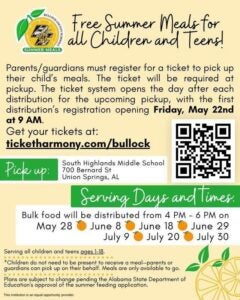
Bullock County received funding to try out a new more sustainable registration system for their summer meal distributions. SchoolMealPass by TicketHarmony is a modern meal check-in and counting system for nutrition programs. Families will be able to register for tickets, and then receive a QR code pass. On distribution days, staff can easily scan this QR code and generate automatic, audit-ready counts and exports.
Oxford City Schools
Oxford City Schools purchased frisbees to promote their summer feeding program. Students were served a meal on field day and were able to take these home with the summer feeding registration QR code and serving dates!
Want to learn more about our summer grants? Check out this one pager to learn more.
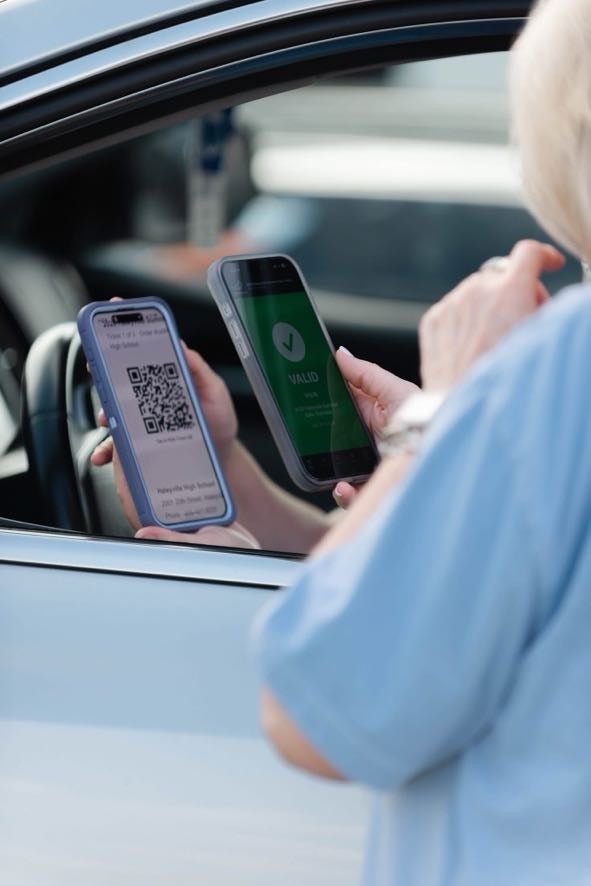
Haleyville City School’s Registration QR Code System
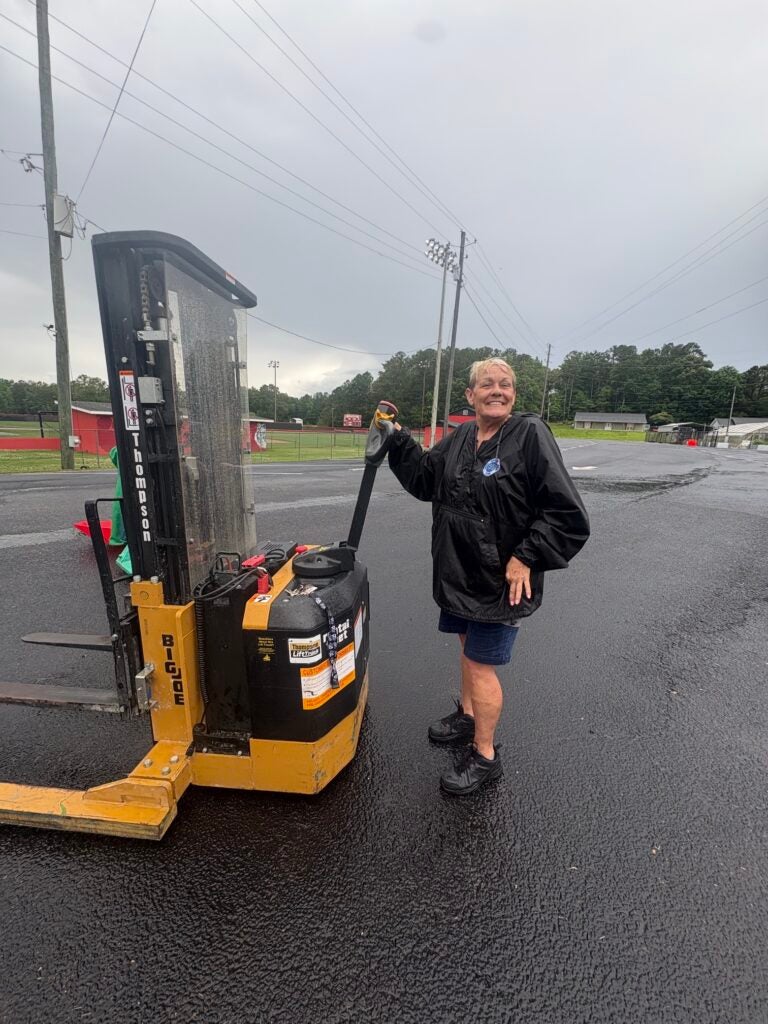
Cleburne County’s Staff Using their Newly Grant Funded Electric Pallet Jack
Behind the Scenes: Planning, Logistics, and Operational Best Practices
Successful summer meal programs rely on more than just distributing meals. Behind the scenes, thoughtful planning, coordination, and efficient operations are essential to ensuring meals reach children and families throughout the summer. From staffing and meal preparation to transportation, equipment, and distribution schedules, grantees navigated a variety of logistical considerations to keep their programs running smoothly. Through their experiences, several key best practices emerged that can help summer meal sponsors strengthen operations, anticipate challenges, and plan for future summer meal seasons.
- Integrity Strategies – Sponsors throughout the summer have identified various strategies that help them with integrity during summer meal service. Some suggested a parent pickup list that has a household’s parents and children(s)’ names. Another utilizes car tags, where they give families the tags the first day of service, and families bring it back every time. These car tags indicate how many meals they need.
- Menu Planning – A couple sponsors flag it is helpful to see summer as a continuation of what the staff does during the school year. For menu planning and ordering, it keeps it simple and easier to plan/allocate more ahead.
- Financial Support – Financial support for staffing or the summer program can come from various partners. Some sponsors mentioned advocating to their board and getting a summer supplement for staff wages to attract enough staff to man the summer program. Others found volunteers that provided staffing support for their program all over their community. From faith based groups to high school volunteers, there were all kinds of partners utilized by sponsors across Alabama.
- Preparing for the Heat – Many sponsors tried different strategies to address the extreme weather and ensure running the summer program is sustainable for their staff. Some put fans on assembly lines on prep days to make the area cooler, while other picked sites with significant shade and set up tents. Ice neck packs, frequent breaks, and having a site with an indoor place with AC to take breaks are also all common strategies.
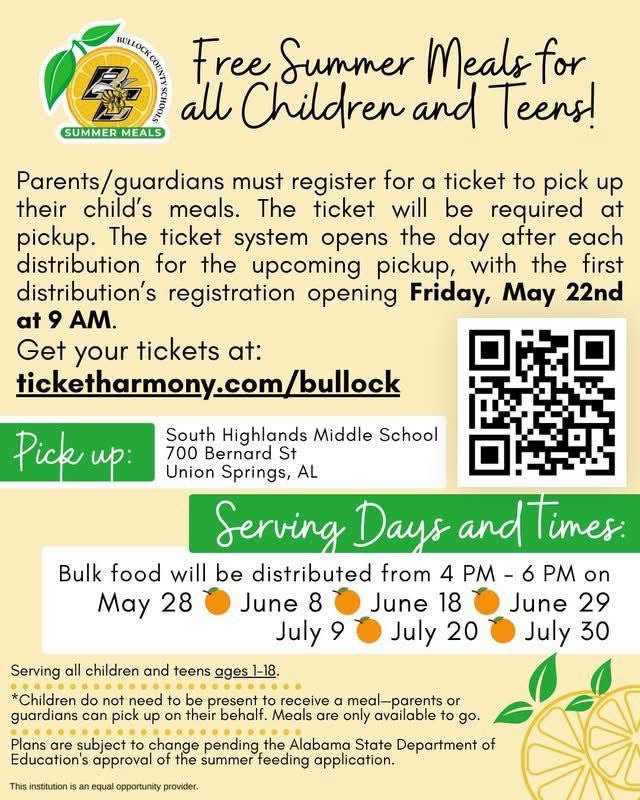
Bullock County’s Summer Meals Program Promotion
Cleburne County’s Staff Using their Newly Grant Funded Electric Pallet Jack
Reaching More Families: Communication, Outreach, and Community Feedback
Connecting children and families with summer meals starts with making sure they know when, where, and how to access them. Throughout the summer, grantees used a variety of outreach strategies to raise awareness, build trust, and engage families in their communities. From leveraging school communication channels and community partnerships to utilizing social media and gathering feedback directly from families, these efforts highlight the importance of clear, consistent communication and community engagement. By listening to families and adapting outreach approaches to meet their needs, summer meal sponsors can strengthen participation and ensure more children have access to nutritious meals.
- Some sponsors mentioned financially investing in food or drink promotions as a first time summer program this year.
- For instance, in June they did something to help drink healthier – lemons, recipe with it, mint, other ingredients to make homemade healthier lemonade and watermelons – all connected to the theme of summer
- Some find success in having fresh produce promotions in the first few site distributions to boost participation and have word of mouth spread at the beginning of summer.
- Other sponsors like to do unique promotions like informative frisbees, water bottles, colanders, and more, that can reach their target audience of kids and families.
A lot of sponsors highlight word of mouth within the community as a strong factor into spreading awareness of their summer program. Examples of community actors to tap into are:
- Coaches
- Principal
- National Honor Society
- Teachers
- Churches
- YMCAs
- Boys and Girls Clubs
Looking Ahead: Carrying Lessons into Summer 2027
As we reflect on another summer of connecting children and families with nutritious meals, the experiences and insights shared by our grantees offer valuable opportunities to strengthen summer meal programs in the years ahead. From innovative distribution approaches and community partnerships to operational improvements and effective outreach strategies, these lessons highlight the importance of continued collaboration, flexibility, and learning. As sponsors begin preparing for summer 2027, we hope these shared best practices will inspire new ideas, inform future planning, and support ongoing efforts to reach more children and families in rural communities.
Looking ahead, No Kid Hungry remains committed to supporting summer meal sponsors as they prepare for another successful season. Below are the following next steps and opportunities to look out for.
- Our next grant opportunity is anticipated to open in February 2027, providing an opportunity for eligible sponsors to seek funding to strengthen and expand their summer meal programs. Click this link to learn more about our grants.
- Additionally, we encourage sponsors to join our summer rural non-congregate webinar series we do at the beginning of the year. Subscribe to our Summertime Snack Newsletter to get emails about when those webinars are.
- Follow us on Facebook at No Kid Hungry Alabama, where we post all our new resources and local Alabama sponsor spotlights.