No Kid Hungry Georgia’s Grant Impact Map:
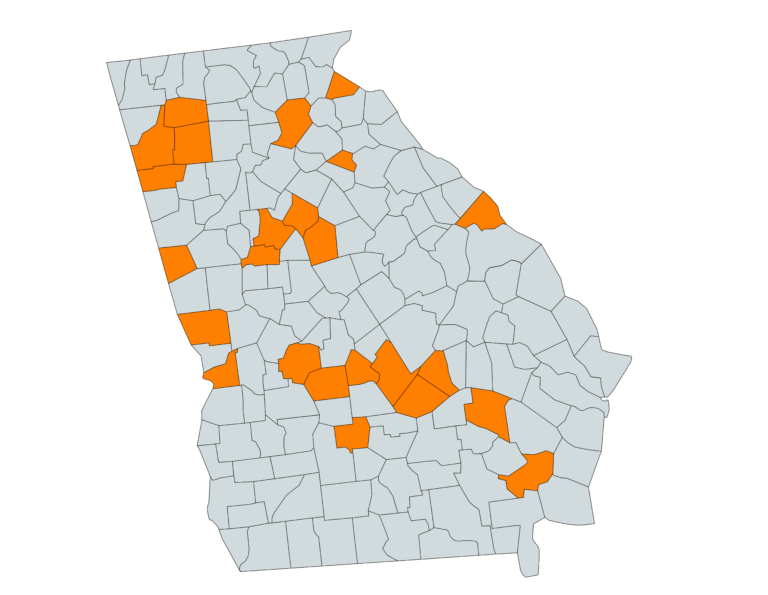
Appling County
BOLD Ministries
Cartersville City School District
Brantley County
Hall County School Nutrition
Heard County Schools
John W. Williams Corporation
Newton County Schools
Polk School District
Richmond County School System
The Black Lotus Project Inc.
Turner County School District
YMCA of Rome and Floyd
Thank you to our 2026 Summer Grantees! No Kid Hungry Georgia is so excited to have supported schools and community based organizations all over Georgia! We are so thankful for all they did feed kids this summer, and so grateful for all the best practices and insights they shared. To read more about their summer programs and best practices, read more below.
Summer Growth by the Numbers
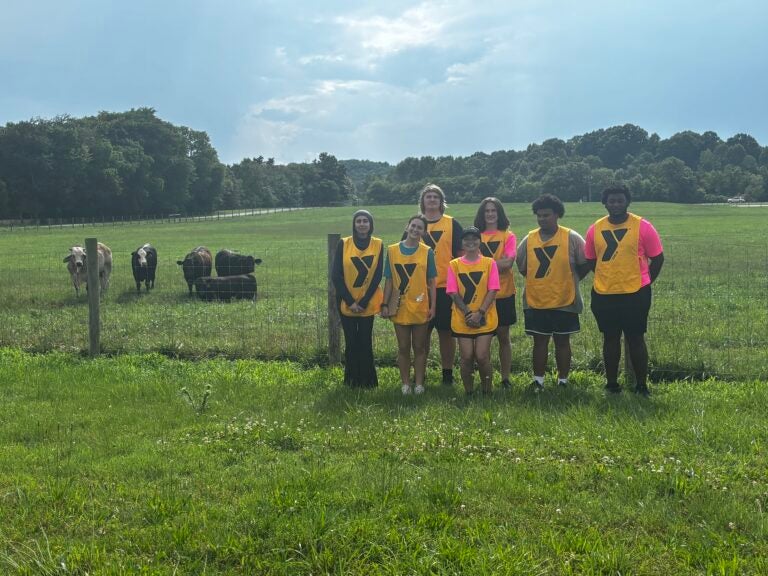
One of YMCA of Rome Floyd’s teams on site
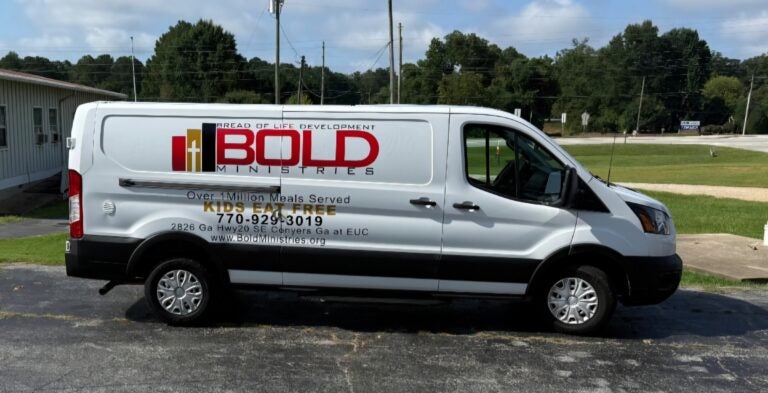
BOLD Ministries’ New Van for their Rural Non-Congregate Mobile Meals
Meeting Families Where They Are: Flexible Meal Distribution Models
For many families in rural communities, accessing summer meals can be challenging due to transportation barriers, long travel distances, and competing schedules. This summer, grantees demonstrated the importance of meeting families where they are by adapting their meal distribution models to better serve their communities. From flexible bulk meal pickup options to strategically located distribution sites and daily meal service, these approaches highlight how understanding local needs and prioritizing accessibility can help more children receive nutritious meals throughout the summer.
Appling County Profile
- 1 Day Meal Distribution, 7 days worth of meals
- Extended Service into July this summer
- Very successful – big increase in meals! In June, they were up 33,000 in meals due to changing from 5 days to 7 days worth of meals, and adding 2 new community sites. Appling County heard a lot of positive feedback from their community.
- Staffing – Staffing can be a challenge, but doing bulk meals distribution alleviates the hours and staffing they needed. Considering increasing distribution to 10 days worth of meals, so that staffing limitations can be addressed.
- Menu – 7 day Champion kit. Shelf-stable breakfast, first 4 days are frozen entrees/vegetables
- Fresh produce bags
- Chip/bun bag
- Last 2 weeks of July, got to do 7 day breakfast/lunch box that was all shelf stable
- Utilized leftover DOD money to provide watermelons and other fresh produce
Heard County Profile
- Daily Meal Pick-Up Monday – Friday with 2 day meals in bulk for the weekend
- Extended Service into July this summer
- Very successful – For Heard County’s community, bulk meals is not relevant due to barriers such as fridge size or enough storage space for that many meals and milk. Fresh, hot meals are very accessible for those in their community as well.
- Menu – Unitized hot, fresh meals Mon-Friday, microwavable or toaster oven meals for the weekend, on a 2 week cycle
- Shelf-stable milk
- Only cereal, pop tarts, and uncrustables are packaged, everything else is fresh or hot and made
- Community feedback emphasized pizza and grilled chicken sandwiches as fan favorites
Grants in Action: Examples of Funded Projects
No Kid Hungry grants help summer meal sponsors strengthen their programs, expand their reach, and address barriers to serving children and families in rural communities. From equipment and operational improvements to innovative distribution strategies, here are a few examples of how grantees have put funding into action to support their summer meal programs.
Newton County
As a first time rural non-congregate sponsor, Newton County applied for a van so they could effectively run the program and have enough sites for their community. This was very successful, and sets them up for future expansion or brainstorming for the coming summers.
Polk County
Polk School District Nutrition Services purchased a refrigerated pull-behind trailer to:
- Expand and improve its summer feeding program
- Use the trailer to provide on-site cold storage for perishable items such as milk, fruits, and vegetables, allowing the district to serve higher-quality meals more efficiently at rural, non-congregate feeding sites.
This investment supports program growth, improves food safety, and increases access to nutritious meals for students who rely on
school meals during the summer months.
The Black Lotus Project Inc.
The Black Lotus Project purchase a refrigerated delivery truck to expand their non-congregate Summer Food Service Program to 16 rural sites in Georgia. This investment:
- Enabled efficient multi-day meal distribution routes, allowing the organization to safely deliver 5-day meal
packages (breakfast and lunch) to children in communities with limited food access - Directly addresses transportation barriers and significantly increases the organization’s capacity to reach
underserved youth
Both of these investments supports these summer programs’ growth, improves food safety, and increases access to nutritious meals for students who rely on school meals during the summer months.
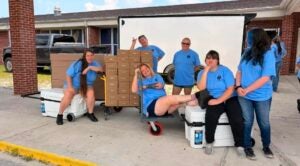
Brantley County
Brantley County applied for the following that helped them with their summer meal program, specifically the meal prep processes before distribution day:
- Coolers
- Sealing machine
- Pallet jack
These are all examples of sustainable, long-term impactful pieces of equipment for summer meal programs and beyond. Brantley County also received a utility trailer to assist in new mobile rural non-congregate routes to meet their community’s needs.
Cartersville City Schools
Cartersville City School District operated a rural non-congregate program last year, so they were focused on expansion this year and got funded for the following sustainable equipment.
- Additional storage containers
- Serving carts
- Coolers for meals and milk
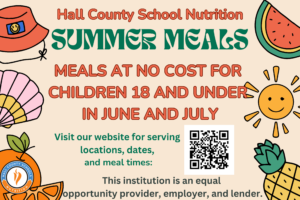
Hall County
Hall County purchased marketing materials such as reusable summer program signage, banners, and flyers to:
- Expand and improve its summer feeding program reach
- Market their program especially as a first time rural non-congregate mobile route
- Had signage in both Spanish and English to reach their community
Want to learn more about our summer grants? Check out this one pager to learn more.
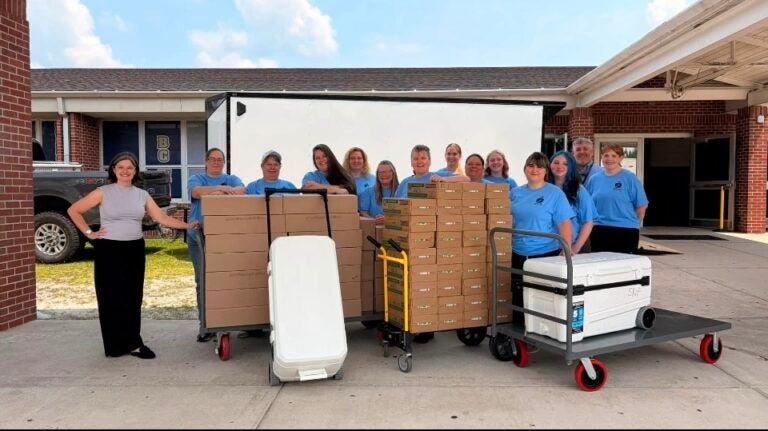
Brantley County’s Summer Staff
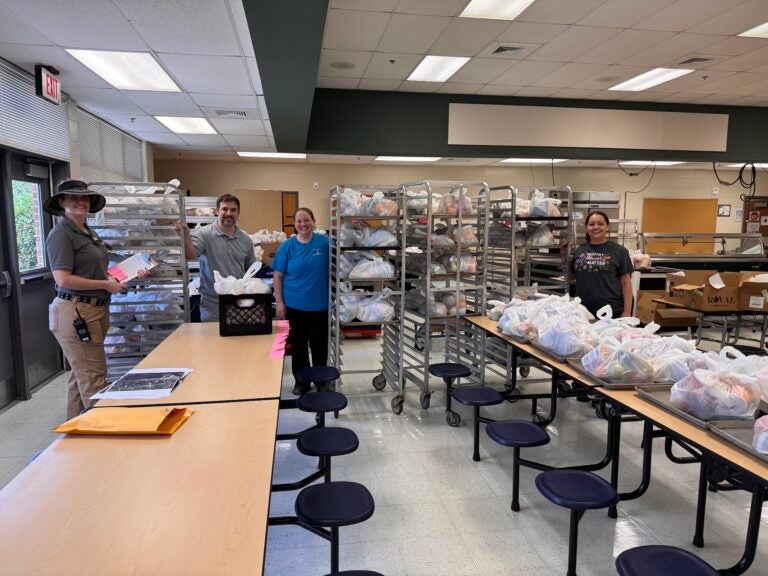
Newton County’s Meal Preparation for their Rural Non-Congregate Program
Behind the Scenes: Planning, Logistics, and Operational Best Practices
Successful summer meal programs rely on more than just distributing meals. Behind the scenes, thoughtful planning, coordination, and efficient operations are essential to ensuring meals reach children and families throughout the summer. From staffing and meal preparation to transportation, equipment, and distribution schedules, grantees navigated a variety of logistical considerations to keep their programs running smoothly. Through their experiences, several key best practices emerged that can help summer meal sponsors strengthen operations, anticipate challenges, and plan for future summer meal seasons.
- Integrity Strategies – Sponsors throughout the summer have identified various strategies that help them with integrity during summer meal service. Some suggested a parent pickup list that has a household’s parents and children(s)’ names. Another utilizes car tags, where they give families the tags the first day of service, and families bring it back every time. These car tags indicate how many meals they need.
- Menu Planning – A couple sponsors flag it is helpful to see summer as a continuation of what the staff does during the school year. For menu planning and ordering, it keeps it simple and easier to plan/allocate more ahead.
- Financial Support – Financial support for staffing or the summer program can come from various partners. Some sponsors mentioned advocating to their board and getting a summer supplement for staff wages to attract enough staff to man the summer program. Others found volunteers that provided staffing support for their program all over their community. From faith based groups to high school volunteers, there were all kinds of partners utilized by sponsors across Georgia.
- Preparing for the Heat – Many sponsors tried different strategies to address the extreme weather and ensure running the summer program is sustainable for their staff. Some put fans on assembly lines on prep days to make the area cooler, while other picked sites with significant shade and set up tents. Ice neck packs, frequent breaks, and having a site with an indoor place with AC to take breaks are also all common strategies.
Reaching More Families: Communication, Outreach, and Community Feedback
Connecting children and families with summer meals starts with making sure they know when, where, and how to access them. Throughout the summer, grantees used a variety of outreach strategies to raise awareness, build trust, and engage families in their communities. From leveraging school communication channels and community partnerships to utilizing social media and gathering feedback directly from families, these efforts highlight the importance of clear, consistent communication and community engagement. By listening to families and adapting outreach approaches to meet their needs, summer meal sponsors can strengthen participation and ensure more children have access to nutritious meals.
- Some sponsors mentioned financially investing in food or drink promotions as a first time summer program this year.
- For instance, in June they did something to help drink healthier – lemons, recipe with it, mint, other ingredients to make homemade healthier lemonade and watermelons – all connected to the theme of summer
- Some find success in having fresh produce promotions in the first few site distributions to boost participation and have word of mouth spread at the beginning of summer.
A lot of sponsors highlight word of mouth within the community as a strong factor into spreading awareness of their summer program. Examples of community actors to tap into are:
- Coaches
- Principal
- National Honor Society
- Teachers
- Churches
- YMCAs
- Boys and Girls Clubs
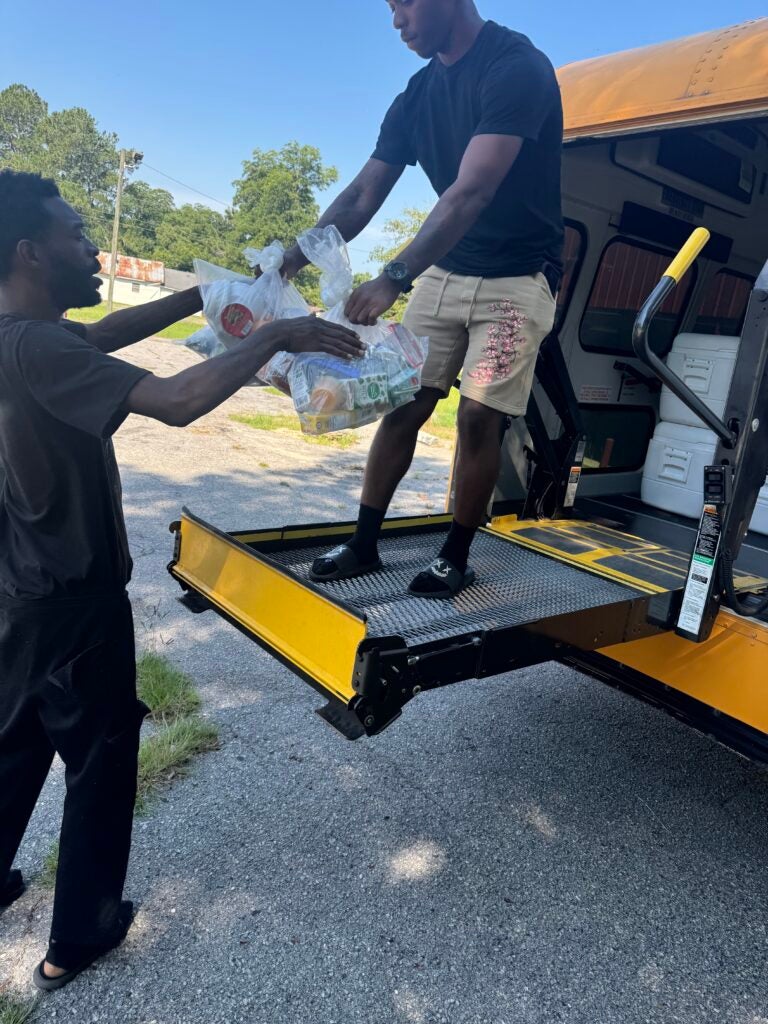
Turner County’s Rural Non-Congregate Program
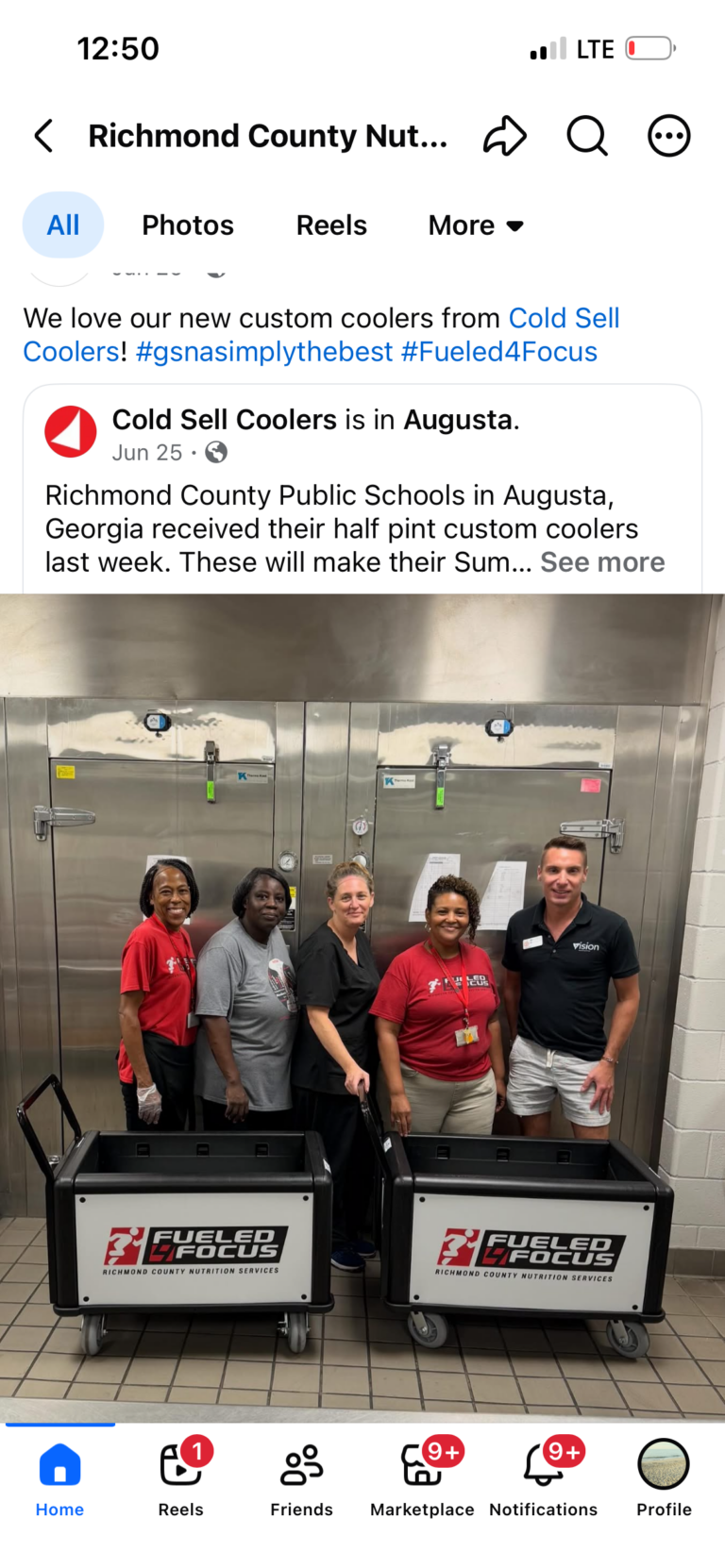
Looking Ahead: Carrying Lessons into Summer 2027
As we reflect on another summer of connecting children and families with nutritious meals, the experiences and insights shared by our grantees offer valuable opportunities to strengthen summer meal programs in the years ahead. From innovative distribution approaches and community partnerships to operational improvements and effective outreach strategies, these lessons highlight the importance of continued collaboration, flexibility, and learning. As sponsors begin preparing for summer 2027, we hope these shared best practices will inspire new ideas, inform future planning, and support ongoing efforts to reach more children and families in rural communities.
Looking ahead, No Kid Hungry remains committed to supporting summer meal sponsors as they prepare for another successful season. Below are the following next steps and opportunities to look out for.
- Our next grant opportunity is anticipated to open in February 2027, providing an opportunity for eligible sponsors to seek funding to strengthen and expand their summer meal programs. Click this link to learn more about our grants.
- Additionally, we encourage sponsors to join our summer rural non-congregate webinar series we do at the beginning of the year. Subscribe to our Summertime Snack Newsletter to get emails about when those webinars are.
- Follow us on Facebook at No Kid Hungry Georgia, where we post all our new resources and local Georgia sponsor spotlights.