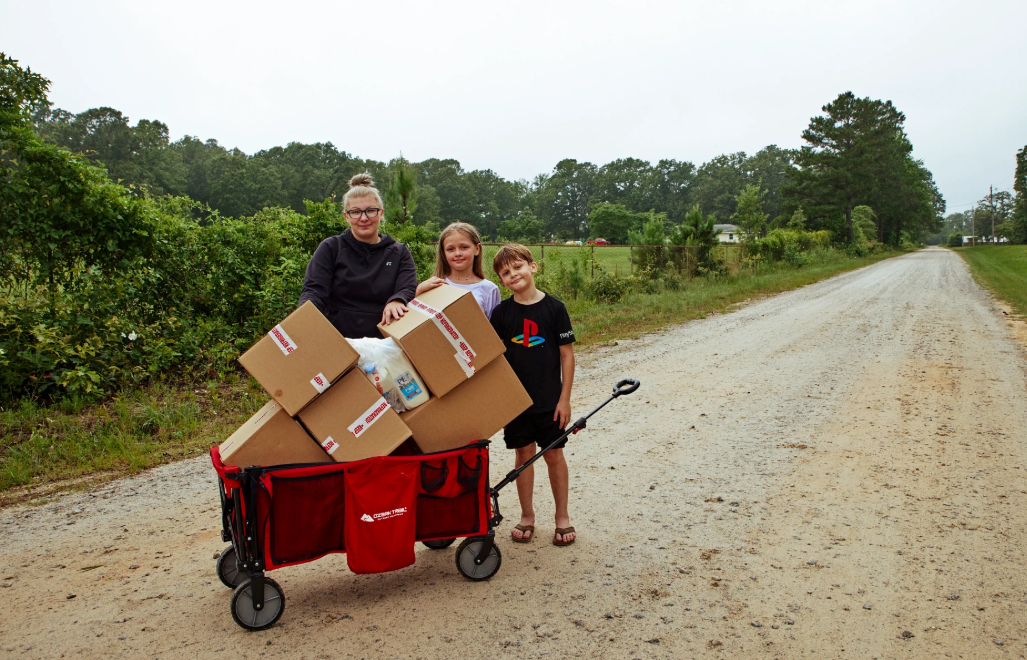
Ensuring that every child who needs summer meals actually receives them takes coordination, creativity, and strong partnerships. Schools play a critical role in feeding children, but they often can’t do it alone for the entire summer. Barriers such as limited operational capacity, staffing constraints, and program eligibility rules mean that not all schools or counties can provide meals from the last day of school through the first day back in the fall.
For example, not all school sites are area-eligible or located in rural areas where they can operate the Rural Non-Congregate (RNC) option. Many school sponsors can only serve meals during specific windows, such as summer school, which often ends in June or early July, even though summer stretches well into August. These limitations can create gaps in meal access for children who rely on summer meals throughout the season.
That’s where collaboration between schools and community-based organizations (CBOs) becomes essential. When schools and community partners work together, they can ensure that summer meal coverage doesn’t stop when school doors close.
Three Ways Schools and Community-Based Organizations Can Collaborate to Provide Summer Meals
1. Community Sponsors Can Fill the Gaps When School Service Ends
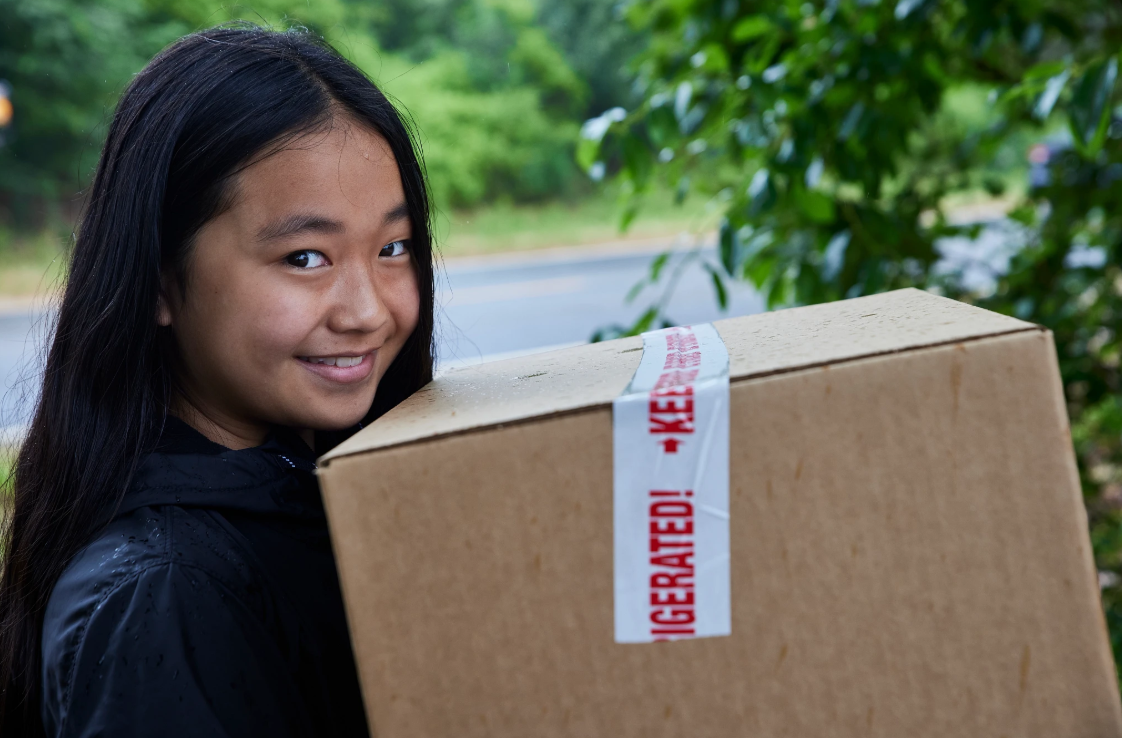
An effective way to ensure continuous summer meal access is for community-based organizations to step in when school-sponsored meal service ends. When summer school or school-operated meal programs wrap up, CBOs can step in for the remaining weeks of summer.
This transition can look different depending on community needs. In some cases, a community sponsor may continue meal service at the same school site where families are already accustomed to picking up meals, a familiar and trusted location where children may already attend programs. Families can continue traveling to their local school, often the same school their children attend during the academic year.
In other cases, families may be redirected to a new site operated by a community sponsor once the school program ends. Either way, clear coordination and communication between partners are essential to making the transition seamless for families.
Feeding Louisiana is a good resource for finding summer meals throughout the state. Check out their website at https://www.feedinglouisiana.org/. Also, check with your local churches and community centers.
2. Schools Can Help Community Sponsors Expand Reach
Many community sponsors struggle to get the word out about where and when summer meals are available. Schools can help bridge that gap.
Schools are trusted community hubs and have direct access to children and families. They can support CBOs by sharing announcements, distributing marketing materials before the school year ends, and partnering on summer kickoff events. These simple actions can significantly increase awareness and participation in summer meal programs.
3. Community Sponsors Can Extend Coverage to Undeserved Areas
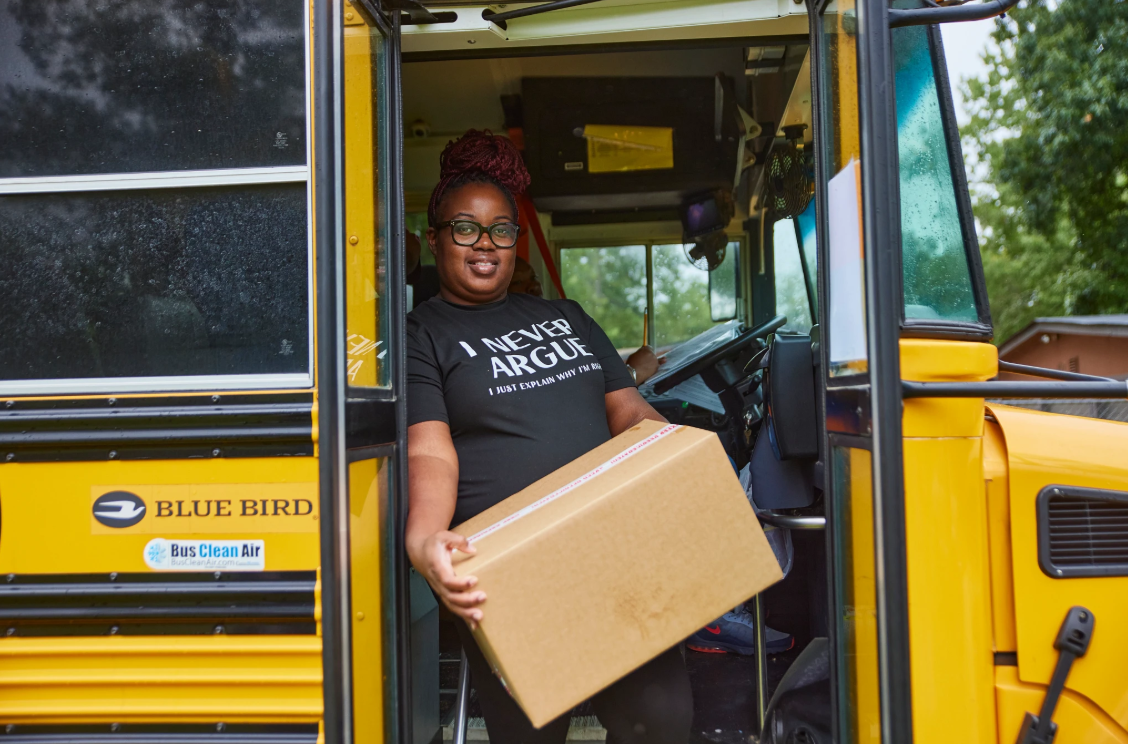
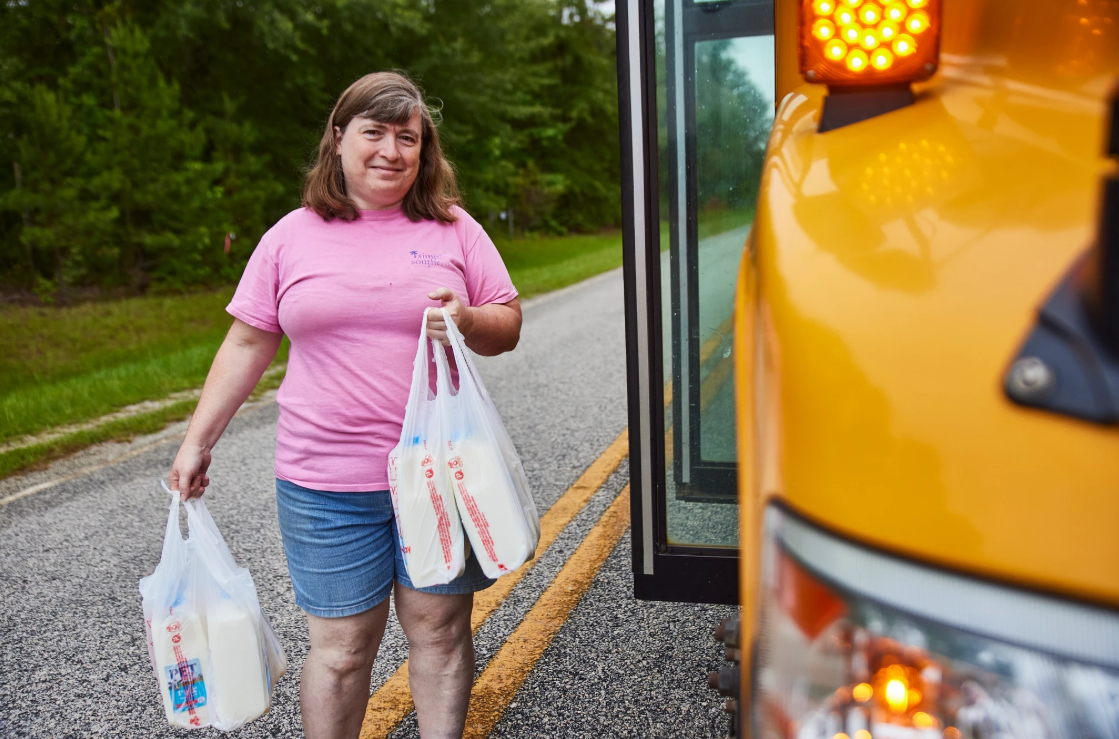
Schools may face geographic or logistical limitations that prevent them from serving all areas of a district, especially rural or hard-to-reach communities. Community-based sponsors can help fill these gaps by operating meal sites in neighborhoods schools cannot reach or by offering delivery or non-congregate options where allowed. Strengthening collaboration between schools and community partners ensures broader access to meals and reduces barriers for families. This coordinated approach helps create a more equitable and responsive summer nutrition network that meets the needs of all children.
By strategically dividing coverage areas, schools and CBOs can ensure broader access across the district or county, reducing the likelihood that children are left without meals simply because of where they live.
Summer Meal Planning Meetings
Collaborating to build strong summer meal coverage always starts with early and intentional planning. Summer planning meetings that bring together schools, community-based organizations, and other partners can help identify gaps, align schedules, and determine who will serve when and where.
These meetings are also an opportunity to share resources, clarify program rules, coordinate outreach, and troubleshoot potential barriers before summer begins. When partners plan together, they can build a summer meal network that ensures no days or communities are left uncovered.
Meeting objectives may include:
- Reviewing sponsors and sites that operated in the community the previous year
- Highlighting successes, such as increased meals served, new sponsors, or first-time RNC implementation
- Examining data to identify areas without meal sites
- Reviewing school sponsor service dates and identifying gaps that CBOs can fill
- Identifying school sites that did not offer RNC and exploring opportunities for CBOs to serve those areas
Ready to get started? Check out our Summer Meals Planning Meeting Facilitator Guide, along with a sample invitation and sample agenda.
In South Carolina’s Lakelands region, United Way of the Lakelands convened summer meal planning meetings through the Greenwood Counts Community Consortium’s (GC3) Food and Hunger Alliance, the area’s Local Food Policy Council. Beginning in March, the council, made up of partners across sectors, worked alongside the school district through monthly meetings to identify hard-to-reach areas, expand meal access, and coordinate volunteers and outreach. This collaborative approach helped ensure summer meals reached families beyond the school calendar. Learn more about Greenwood’s Local Food Policy Council and their summer meal planning meetings in our case study, How Local Food Policy Councils Can Strengthen Summer Meal Programs. Interested in learning more about Local Food Policy Councils? Learn more and find one near you.
Looking for Examples for Your Community?
Not sure if these types of collaborations exist in your community? Explore our on-demand webinar, Together We Serve: How Schools and Community Organizations Are Boosting Summer Meals. Designed for sponsors, partners, and state agencies interested in leveraging partnerships, this webinar highlights how school districts and community-based organizations partnered to expand summer non-congregate service models. Presenters shared successful collaboration models, innovative approaches, and real-world examples of how partnerships can meet community needs and strengthen summer meal programs.
By working together, schools and community-based organizations can ensure that summer meals last as long as summer itself, and that every county, neighborhood, and child is served.