For many summer meal sponsors serving rural communities in South Carolina, the basics are already in place. Rural non-congregate models, like multi-day meal distribution, mobile routes, and grab-and-go options, have expanded access in rural communities. But even with these strong foundations, gaps can still exist. Families living on the edges of service areas, down long back roads, or beyond typical routes can still be left out.
The challenge now is not just operating a rural summer meal program but ensuring that every hard-to-reach area across South Carolina is covered.
Understanding the Gaps: Summer Meals Mapping
The first step in reaching underserved areas is understanding exactly where those gaps exist. Sponsors know the general regions they serve, but a closer look can show areas of need that might be missed, such as smaller communities, remote neighborhoods, or eligible rural pockets.
Reviewing past participation, mapping site locations, and comparing that information to where families actually live can highlight where coverage is missing. A map may suggest that overall coverage is strong, but a closer look can reveal clusters of families still 15–20 minutes away from the nearest site, or areas where participation remains low despite clear need. Tools like No Kid Hungry’s 2026 SFSP Rural Eligibility Map can support this process easier by identifying areas newly eligible for non-congregate service under USDA’s expanded rural definition.
Listening directly to families and community partners is also important. When participation drops unexpectedly or remains low in certain areas, it can signal barriers that aren’t immediately visible like inconvenient distribution times, unreliable transportation, or lack of awareness. By taking the time to find these underserved areas, sponsors can focus on equitable meal distribution, rather than assuming that existing routes and sites are reaching everyone.
Adapt Delivery Models to Local Needs
Once gaps are identified, the next step is extending service into those harder-to-reach places. For many sponsors, this doesn’t require building an entirely new program, it’s about strategically expanding and refining what already exists.
Mobile routes are one of the most effective ways to do this. Non-congregate options like meal pick-ups or curbside distribution work well in many areas, but some children are still hard to reach. Sponsors can add new stops along existing routes or introduce mobile delivery in underserved areas. Some sponsors are also expanding beyond their immediate service areas, supporting neighboring counties or communities that lack the capacity to operate their own programs. By doing so, they are able to extend their impact and reach more children who might otherwise go unserved.
For sponsors considering this approach, tools like the Are Mobile Meals Right for Your Community? resource can help assess whether mobile service is a good fit and how to begin.
Leveraging Community Partners to Go Further
Reaching every corner of a rural community is rarely something a sponsor can do alone. Community partners play an important role in extending access into areas that can be challenging to serve.
Local organizations, such as health centers, housing communities, libraries, and camps, can act as distribution points or help connect sponsors with families who might otherwise be missed. In some cases, these partners can even take on meal distribution themselves, allowing sponsors to expand coverage without overextending staff.
Outreach and marketing are also important. Reaching those hardest-to-serve households may require consistent, multi-channel communication through schools, community partners, and local events.The more communication families receive, the more likely they are to connect with the program.
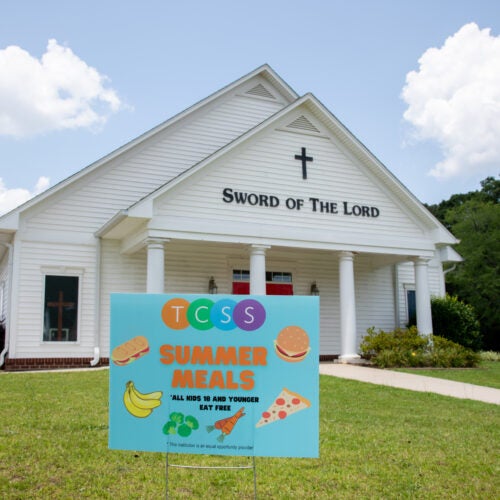
Even if your planning is already final, there is still time to identify and address gaps in service. Adding a new mobile stop, partnering with an organization in an underserved area, adjusting distribution schedules, or strengthening outreach efforts can all help ensure more children are reached.
If you’re looking to strengthen your rural summer meals program and close remaining gaps, consider exploring our recent webinar, Reaching the Last Mile: Strategies for Serving Rural Populations, which highlights real-world examples and innovative approaches from sponsors across the country.