School is back in session in South Carolina!
In July, our No Kid Hungry team attended the School Nutrition Association’s Annual National Conference (ANC) in North Carolina, where we connected directly with school nutrition directors and staff from across the country. Over several days of networking and learning sessions, we heard firsthand about the real challenges and creative wins that school teams are navigating with breakfast and summer meal programs. Those conversations left us inspired, and we want to pass along what we learned, along with other supports schools and community organizations can put to use this year.
Back-to-school season is about more than preparing classrooms – it’s also an opportunity to strengthen the systems that help students stay healthy, nourished, and ready to learn. Schools have long been at the center of child nutrition through school meals, but they can also serve as trusted connections to other nutrition programs. As you plan for this year’s school year, consider these strategies to expand your nutrition programming while better connecting families with the resources they need.
Make Breakfast Part of the School Day
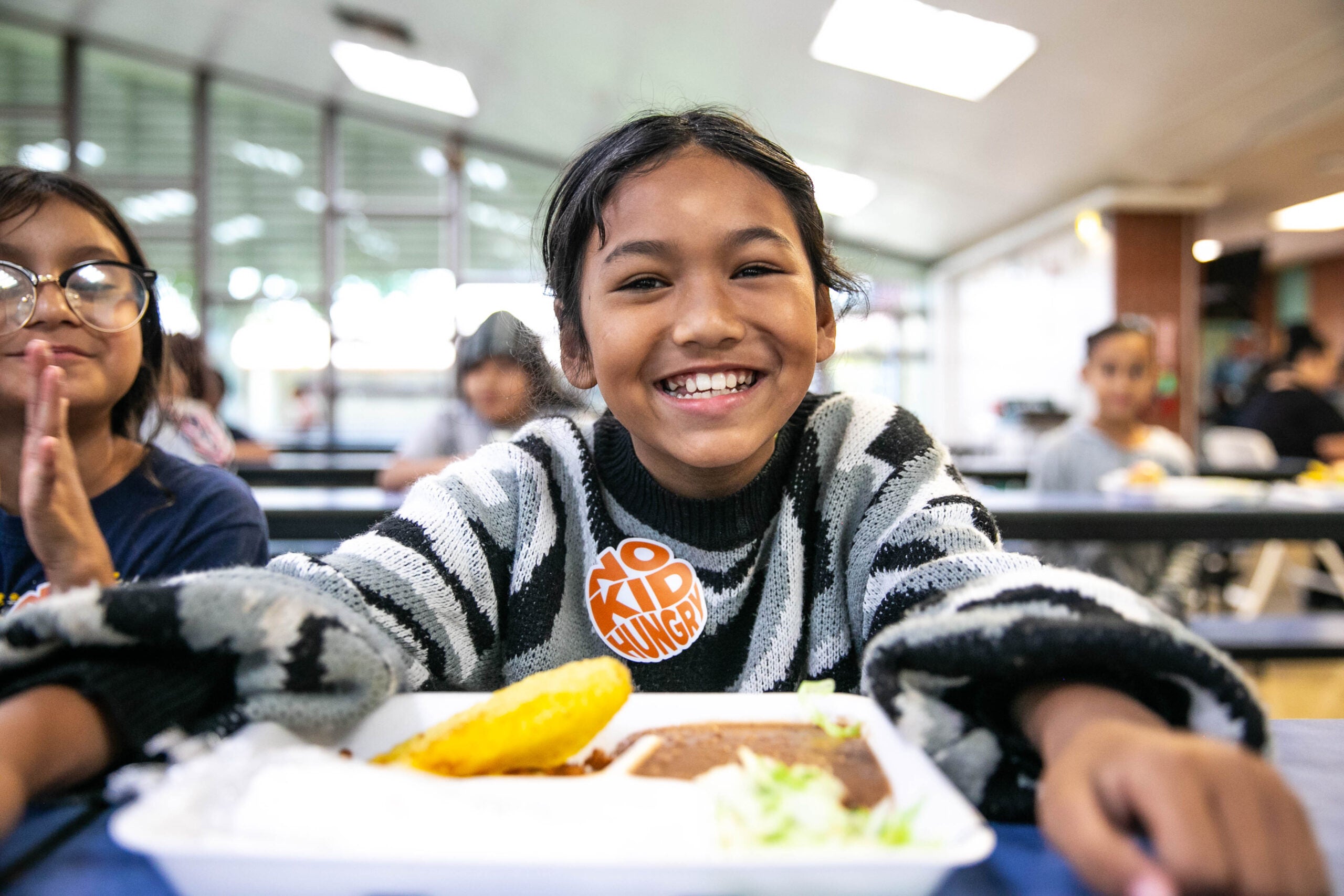
School breakfast is one of the most effective ways to ensure students start the day ready to learn, but traditional before-school service can create barriers for many children. Breakfast After the Bell models — including Breakfast in the Classroom, Grab-and-Go Breakfast, and Second Chance Breakfast — make breakfast part of the school day, increasing access and participation.
Research consistently shows these models boost breakfast participation, even in schools where meals are already free through the Community Eligibility Provision (CEP). Studies also suggest these models can improve attendance, academic performance, and focus, with the greatest benefits seen among students facing the highest barriers to success. By making breakfast a routine part of the school day, schools can help ensure every student has the nutrition they need to thrive from the first bell onward.
High school breakfast was a consistent topic in our in-person conversations at ANC, since secondary participation tends to lag behind that of elementary and middle schools. If you’re looking for fresh ideas, our newest resource, Creative Ideas to Increase High School Breakfast Participation, features practical, district-tested strategies shared directly by the school nutrition leaders we met at the conference.

2026 School Meals Design Lab
For directors who want to go deeper, our upcoming School Meals Design Lab opportunity will bring together school nutrition directors and staff to explore new ways to improve the high school meal experience using human-centered design. Participants leave ready to launch a new solution to draw more high school students into the program. Register by August 28, 2026, to be considered for the September 25 start date!
Bring SNAP Into Schools
Schools are uniquely positioned to connect eligible families with the Supplemental Nutrition Assistance Program (SNAP), one of the nation’s most effective anti-hunger programs. Schools are a great place to reach eligible families and children who are not yet participating in SNAP. They’re generally a trusted space for families to learn new information and connect with resources, which makes them a natural partner for outreach. There are many ways schools can raise awareness about SNAP that build on existing communication channels, such as texting caregivers or adding SNAP information to your website.
Our SNAP Outreach in Schools Toolkit features examples of messaging and materials from partners conducting SNAP outreach and enrollment through schools. The toolkit includes customizable scripts, outreach materials, and social media posts in English, Spanish, Chinese (Simplified and Traditional), Tagalog, and Vietnamese to help you spread the word in your school community.
Schools don’t have to do this work alone. Many organizations specialize in SNAP outreach and application assistance and make great partners, often your local food bank, community action agency, or a non-profit service provider. Your state SNAP agency can connect you with organizations doing this work in your area.
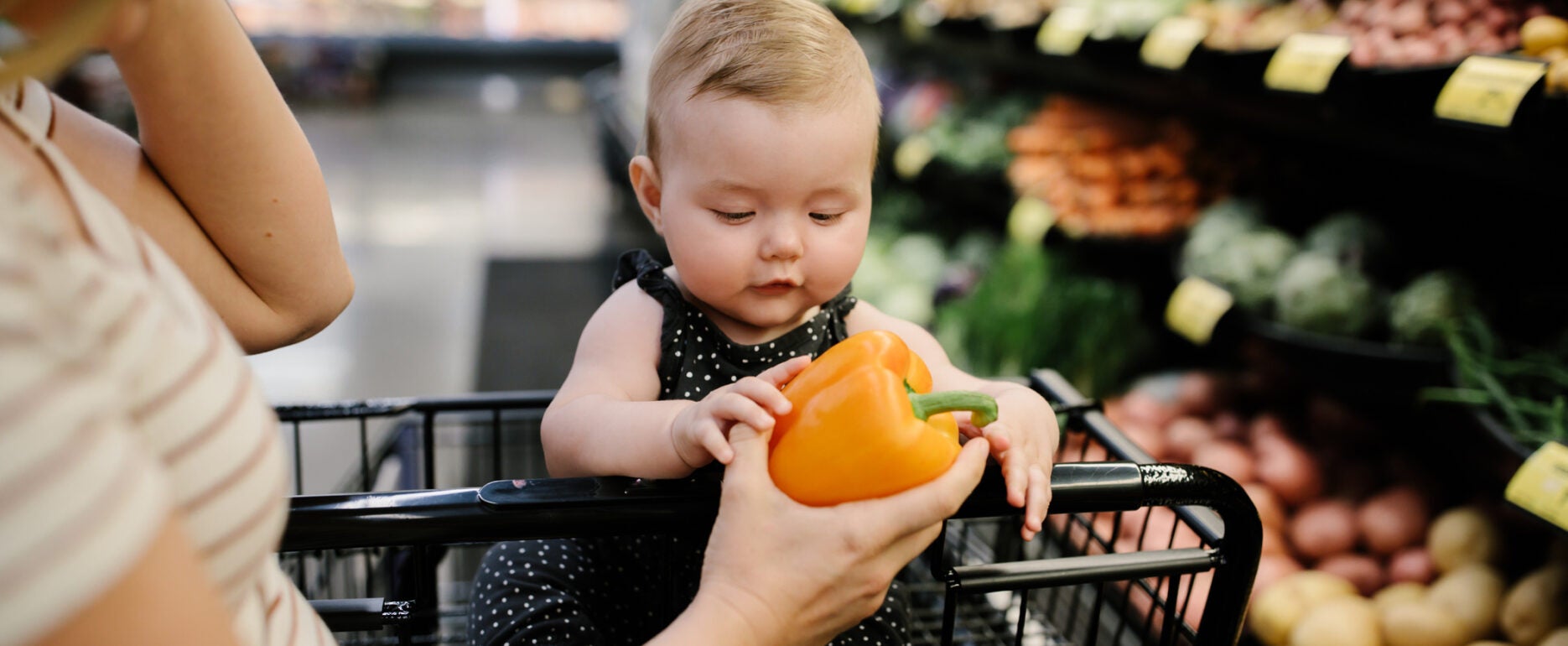
Expanding access to nutritious food takes more than one program – it takes strong partnerships and a coordinated approach. By leveraging schools as trusted community hubs, connecting families to nutrition benefits, and working across education, healthcare, and community organizations, we can help ensure every student has the support they need to learn, grow, and thrive throughout the school year.