When families know where and how to access free summer meals, everyone wins. That connection depends on outreach that is clear, consistent, and easy to find. For summer meal sponsors, effective communication can make a major difference in participation. Let’s explore strategies to make your outreach smarter, more accessible, and more effective at reaching more families this summer.
Use a Mix of Communication Channels
Reaching families effectively requires more than a single method. Sharing information across social media, text alerts, automated calls, printed materials, local media outlets or even billboards helps ensure your message is seen by families. People absorb information differently, so a layered approach increases the chances that your outreach will resonate and be remembered.
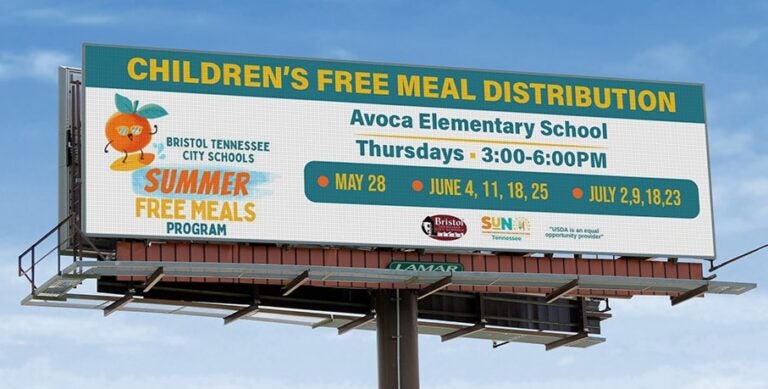
Bristol Tennessee City Schools promoted its summer meals program with a billboard placed at a major intersection that remained up for the duration of the program (May–July). The updated graphic above will be displayed on a billboard again this summer.
Meet Families Where They Are
When you’re considering your outreach plans for this summer, it’s important to think about where the main caregivers receive their information. Consider who will be picking up meals for kids.
Are there many grandparents raising or watching grandkids during the summer months in your community? Their preferred methods of communication may look different than the ways you’re trying to reach high school students.
Use QR Codes (But Keep It Inclusive)
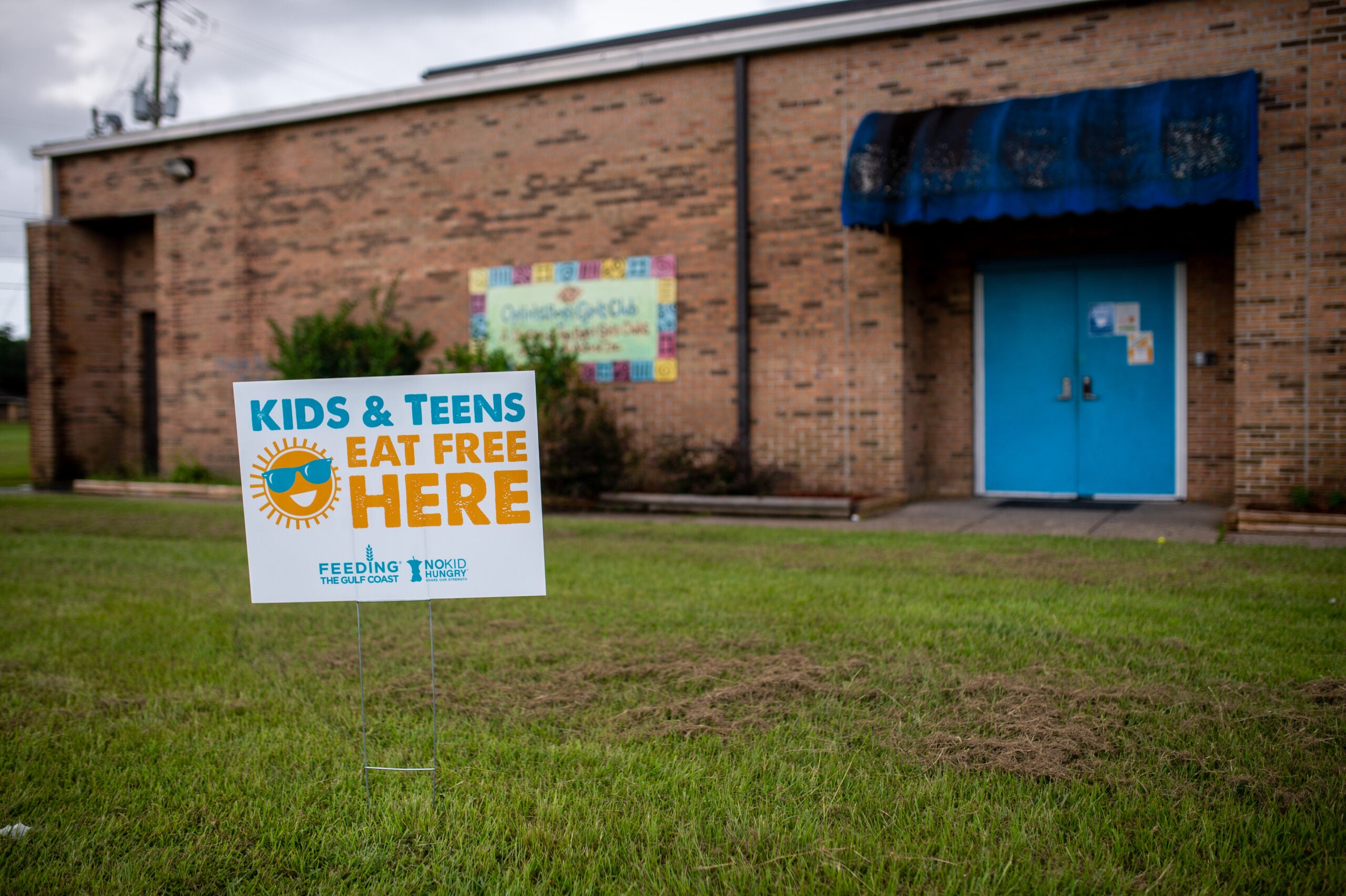
QR codes provide a quick and efficient way to connect families with real-time updates, such as changes in meal locations or service times. When placed on flyers, signage, or digital posts, they can instantly direct users to the latest information.
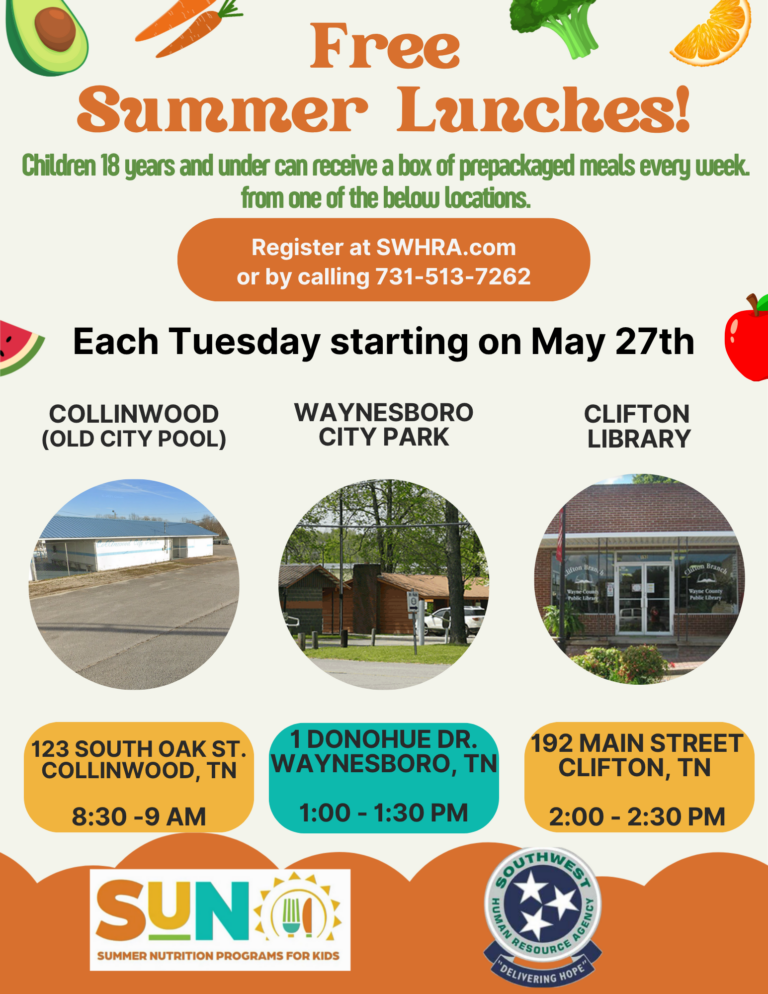
At the same time, it’s important to keep outreach inclusive. Not every family has access to a smartphone or reliable internet. Including a phone number and a clear description or photo of the meal site alongside QR codes ensures that everyone can access the information they need.
In the following example, a summer food service flyer from Southwest Human Resource Agency included photos of meal site locations in West Tennessee to help families easily identify where meals were being served.
Lean on Community Partners
You may know your program inside and out, but many others in your community may not. Building relationships with other trusted groups can significantly expand your outreach. Community partners may include schools, libraries, parks and recreation departments, faith-based organizations, afterschool programs, healthcare providers, food banks, local businesses, housing authorities, extension offices, youth organizations, and nonprofit agencies.
For example, in many states, local health councils exist in every county and are often led by health educators who convene regular meetings focused on community well-being. These meetings bring together organizations already engaged in outreach, making them a natural setting to share information about your summer meals program.
Food policy councils are another strong partner. These groups connect stakeholders across sectors such as education, agriculture, public health, and nonprofit work, all with a shared goal of improving food access. By participating in these coalitions, you can align your outreach with broader community efforts. Learn more about how sponsors can work with local food policy councils to strengthen and expand their own summer meal programs.
Working with these partners allows for coordinated communication across multiple networks within the community. Flyers, posters, and sign-up information can be shared more widely and consistently, helping ensure families hear about meal opportunities from trusted sources. This kind of collaboration strengthens messaging and makes it easier for families to understand how and where to access meals.
Connect with Local Media
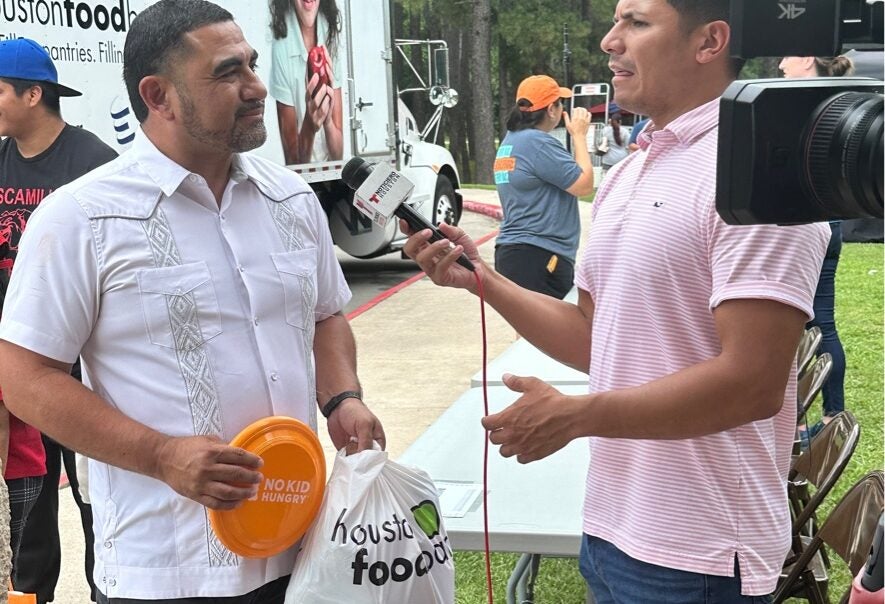
Local media outlets can help amplify your message far beyond your immediate network. Sharing press releases, inviting reporters to kickoff events or site visits, and providing meal schedules, photos, or video footage to local news stations can increase visibility and community awareness. When your program is featured in newspapers, on the radio, or in local publications, it reinforces the message and reaches families who may not be connected through other channels. For example, several sponsors across the state join local radio stations to advertise meal site locations and times.
For a deeper dive into marketing strategies, explore the webinar Beyond the Flyer: Next-Level Promotion for Summer Meals Success. This session highlights targeted techniques from experienced sponsors across the country and focuses on high-impact promotion strategies that help ensure every child knows where to find meals during the summer months.
Marketing is a necessity for increasing participation in summer meals. Even if there isn’t anything new or different to share, regularly promoting your program can remind families that summer meals are something they can rely on. With creative, consistent outreach, we can make sure every child has access to the nutritious meals they need all summer long.
There’s no need to build everything from the ground up. The Summer Meals Outreach Toolkit offers a wide range of materials, including press release templates and customizable social graphics in both English and Spanish, making it easier to maintain consistent and effective communication throughout the summer.