Why Rural Communities Matter
Summertime should be carefree and fun for kids, but for millions of children across the United States, summer isn’t just a break from the classroom – it’s a break from the school meals programs that many of them participate in. Rural communities often face unique challenges accessing these programs due to barriers, including financial insecurity, lack of transportation, restrictive serving times and extreme weather.
- Of the more than 18 million students who ate free or reduced-price school lunches in 2020-2021, only 5.6 million were served summer meals in 2021. That means 7 out of 10 young people were missing out.
- 82 % of rural families living on low incomes spend more on groceries during the summer–an average of $168 more per month.
- 74 % of rural families living on low incomes said they ran out of food before they had money to buy more.
Read our report and learn about how summer is the hungriest time of the year and how No Kid Hungry is supporting partners feed kids during the summer in rural communities.
Feeding Rural Communities With Non-Congregate Summer Meals
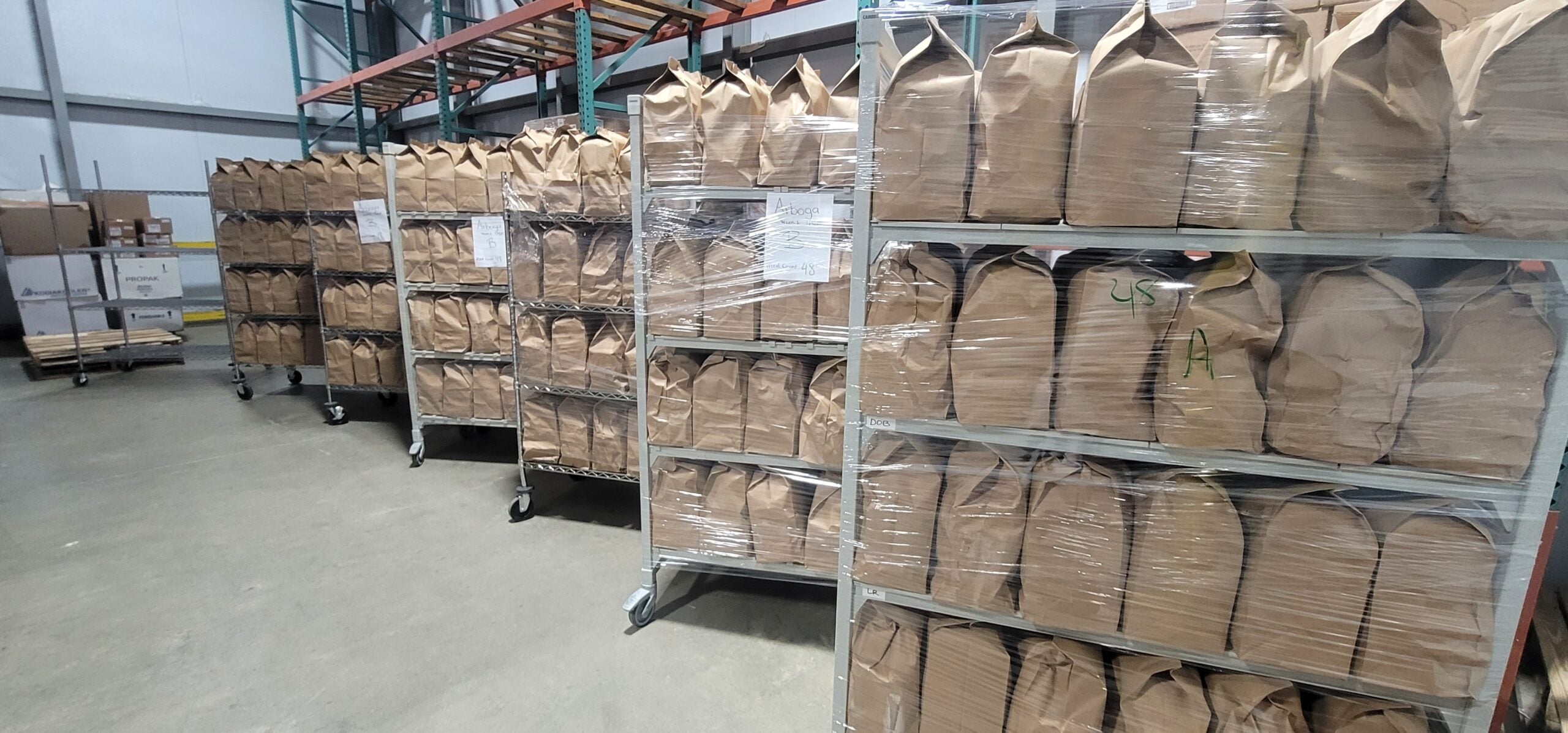
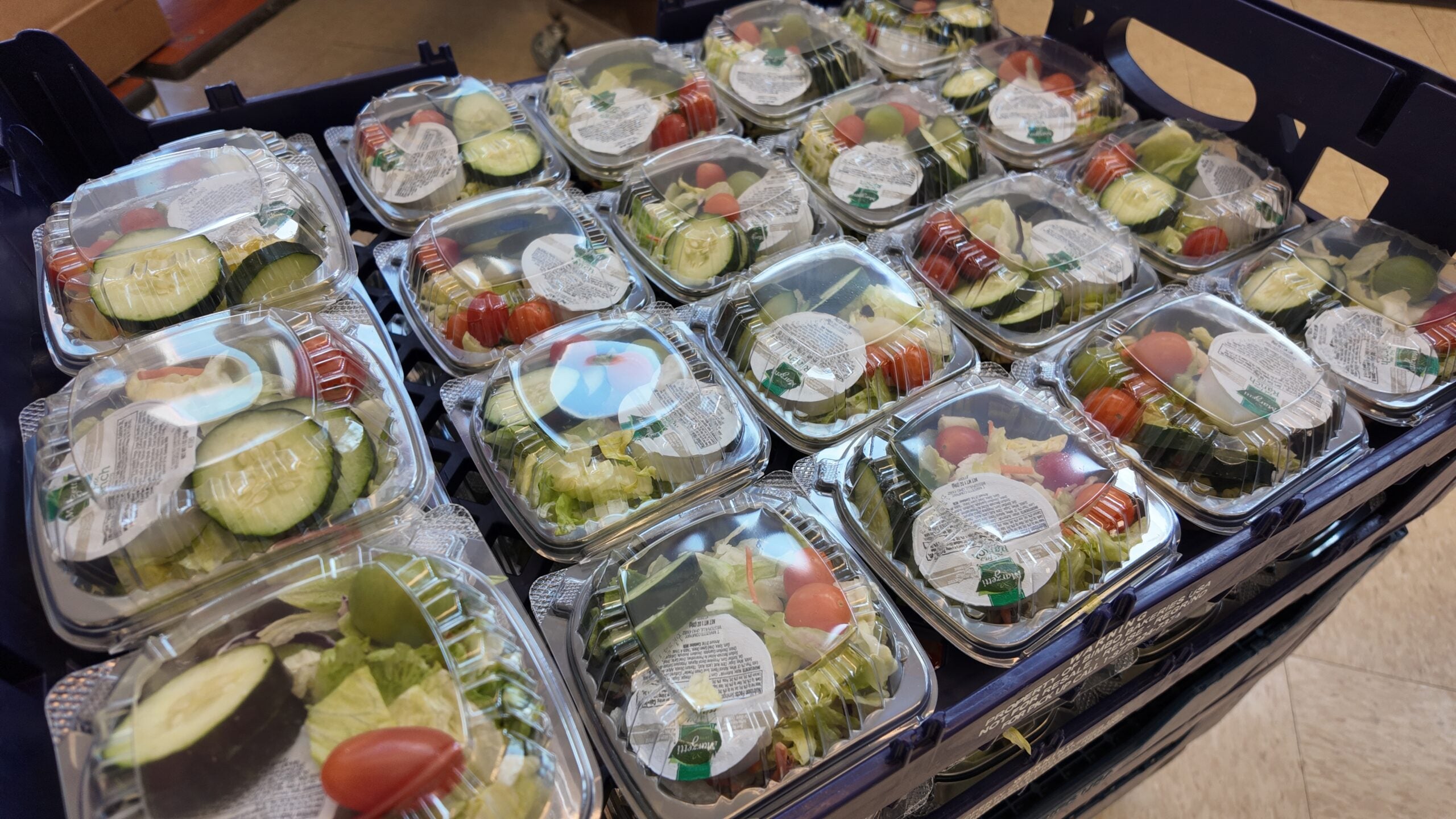
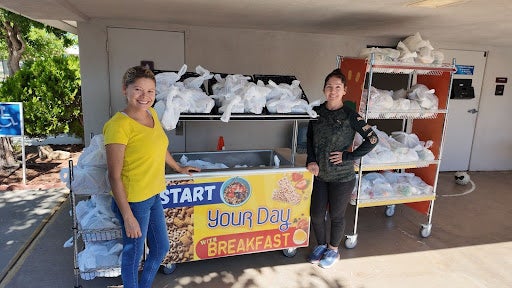
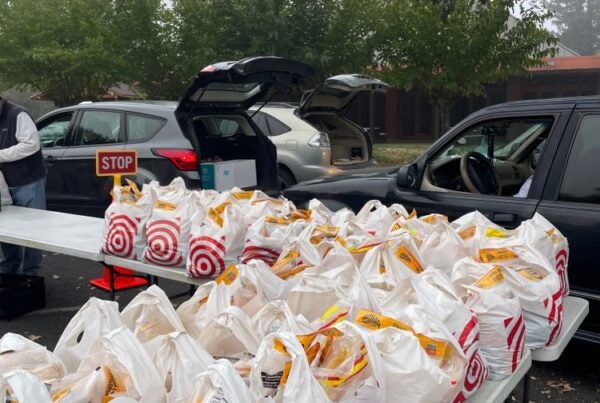
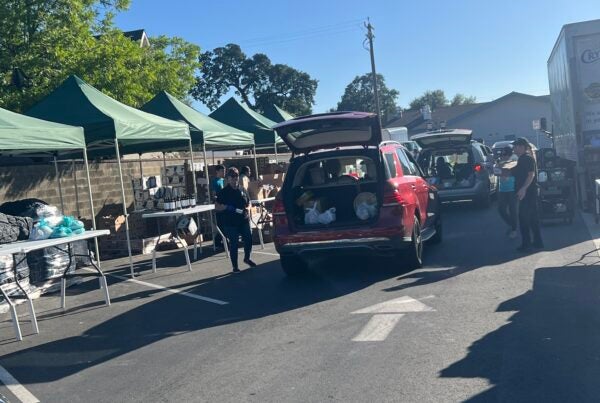
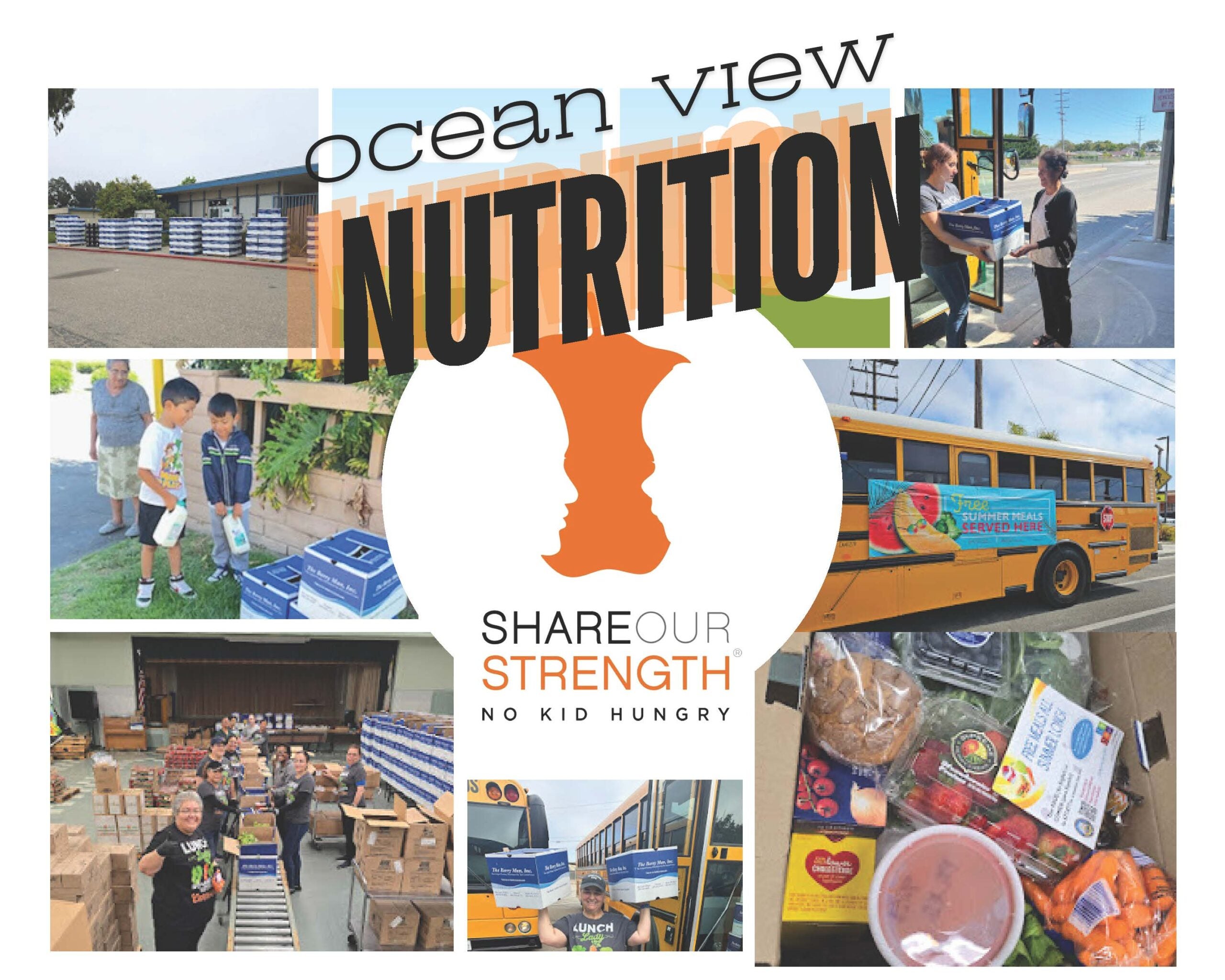
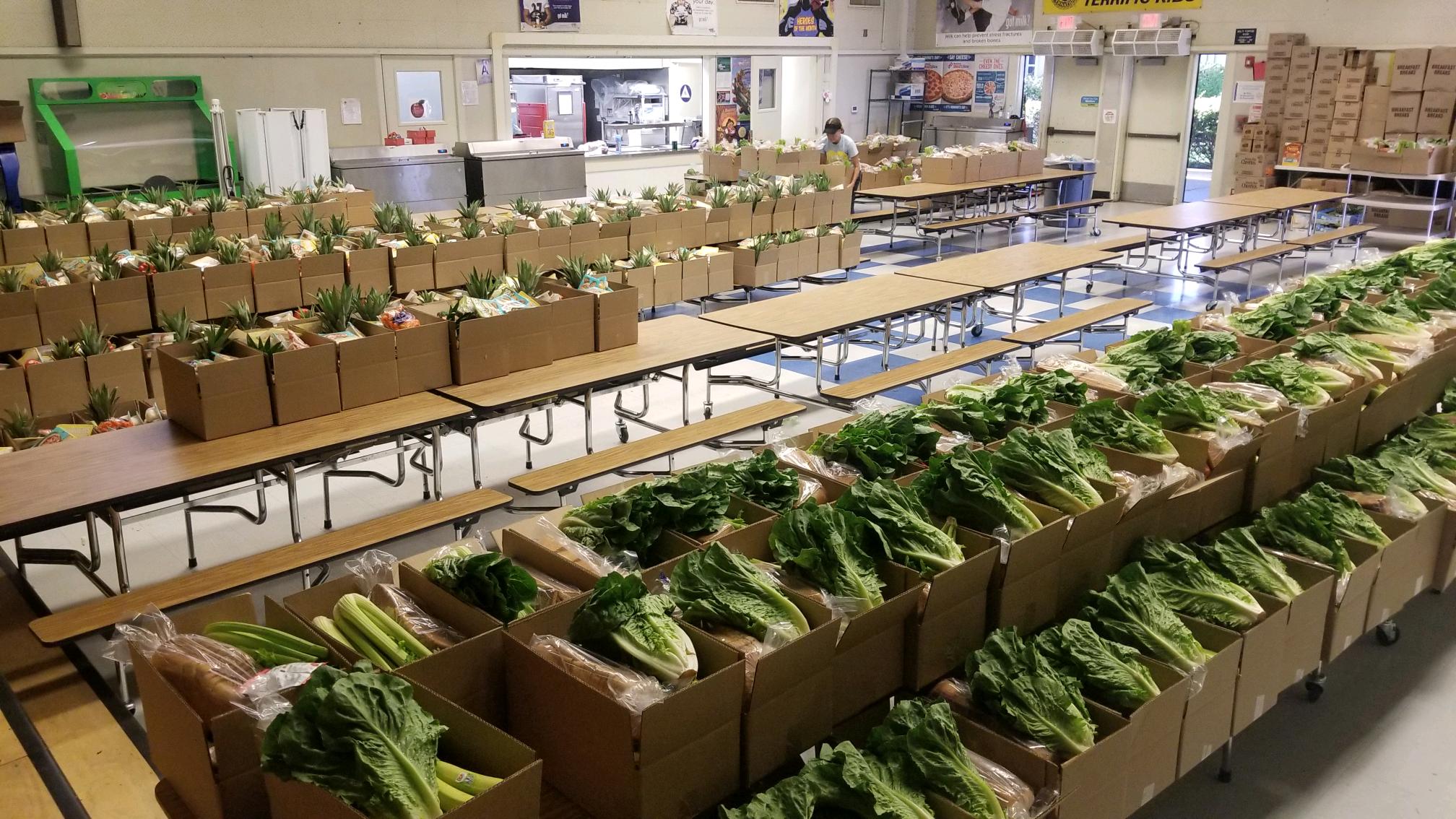
Closing the summer hunger gap for kids is essential for ending childhood hunger in America. Thanks to game-changing bipartisan legislation, more families can now access food when school is out over the summer. The non-congregate meal service option provides convenience and flexibility for families in rural areas, allowing them to pick up summer meals for their kids or have those meals delivered instead of requiring children to eat their meals on-site. Schools and community organizations also have multiple meal service options and flexibilities that best fit the needs of their community. This includes offering multi-day and bulk meal distribution, as well as meal delivery and grab-and-go services. No Kid Hungry is dedicated to ensuring kids and teens, particularly in rural areas across the state, have access to summer meals
Summer Resources for Schools and Community Partners
“Rural Non-Congregate Summer Meals” program is a summer meal service model provides meals to children to consume off site. Programs must be operated at sites designated “rural” with no congregate meal service. See the USDA rural designation map and No Kid Hungry’s Summer Eligibility Map, and check if you have an eligible site near you.
- Become a Sponsor or expand your program for Summer 2026. Visit our Center for Best Practices’ page for more information on the federal rules, toolkits, best practices, and more.
- 2026 Summer Grant Cycle: A key part of No Kid Hungry’s strategy is to expand participation in the federal summer meals programs. We offer grants to schools and community organizations that are serving rural communities by providing non-congregate feeding models as part of the Summer Food Service Program (SFSP) or Seamless Summer Option (SSO). Grant amounts will vary depending on program need and alignment with focus areas. Call for Inquiry, submit your inquiry here.

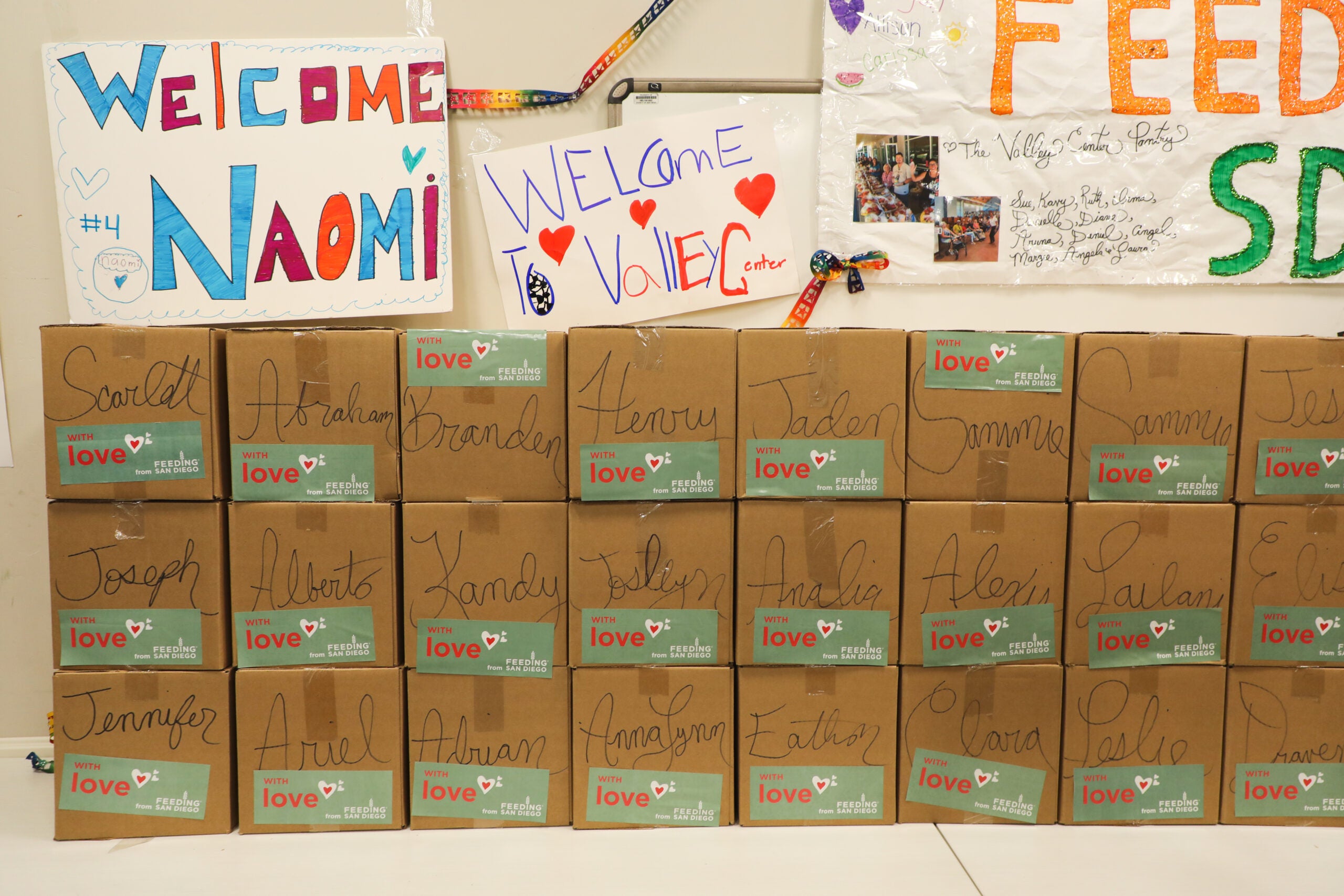
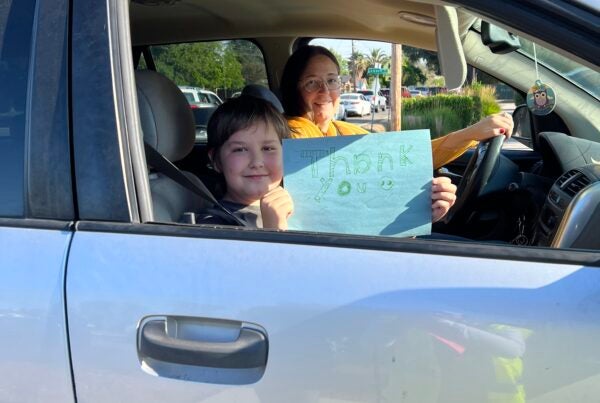
The No Kid Hungry CA’s Summer Spotlight Series spotlights our tenacious partners who are going above and beyond to feed kids in rural communities across California. Meet our summer hunger heroes, and learn about their various challenges and models they implement to best reach kids. We invite you to read through all 12 stories here.

Last update: March 13, 2026